

A warehouse or loading bay is only as good as its uptime. In a busy facility, it isn’t a matter of if a forklift or delivery truck will clip a corner or hit a wall—it’s when. Historically, safety barriers were just about stopping an impact, often resulting in cracked concrete and mangled steel that required expensive repairs.
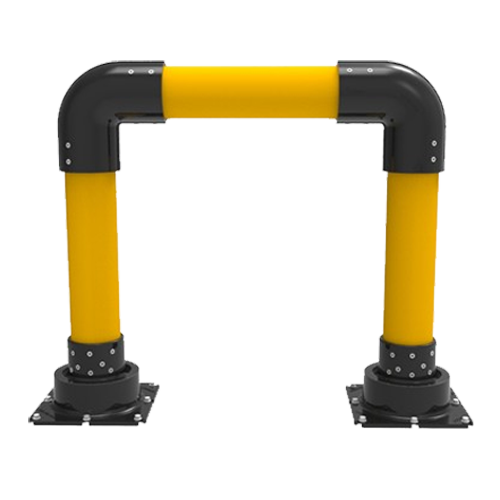
Today, the standard has shifted. Protection systems like those from Tysen Technologies are designed to do more than just stand in the way; they’re engineered to absorb energy and minimise the ripple effect of an accident. Whether it’s high-traffic car parks or high-velocity logistics hubs, the right protection doesn’t just save your infrastructure—it keeps your team moving without the constant fear of equipment damage or costly maintenance delays.
Among these solutions, rubber stoppers and wheel stopper systems have evolved significantly, offering smarter, safer, and more durable ways to manage vehicle movement while protecting critical assets.
Why Protection Solutions Matter More Than Ever
With the rise of automation, electric vehicles, and high-density facilities, even low-speed collisions can result in costly repairs and operational downtime. Protection solutions serve as the first line of defence, preventing vehicles from striking walls, equipment, racking systems, and pedestrian walkways.
In environments where forklifts and other industrial vehicles operate daily, the importance of reliable protection cannot be overstated. Whether in a car park or a warehouse floor, the right solution ensures safety without compromising workflow.
The Evolution of Rubber Stoppers in Safety Design
Traditionally, parking stops and barriers were rigid and unforgiving. While effective in stopping vehicles, they often caused damage to tyres, bumpers, or even flooring. Modern rubber stoppers have transformed this approach.
Key Innovations in Rubber Stoppers
Impact Absorption
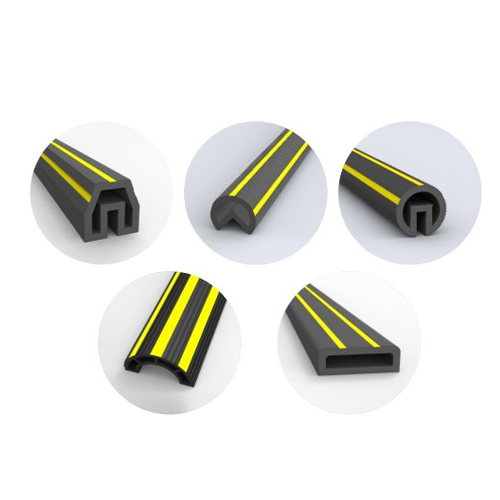
Rubber stoppers are engineered to absorb impact rather than resist it. This reduces damage to both vehicles and infrastructure.
High Visibility Design
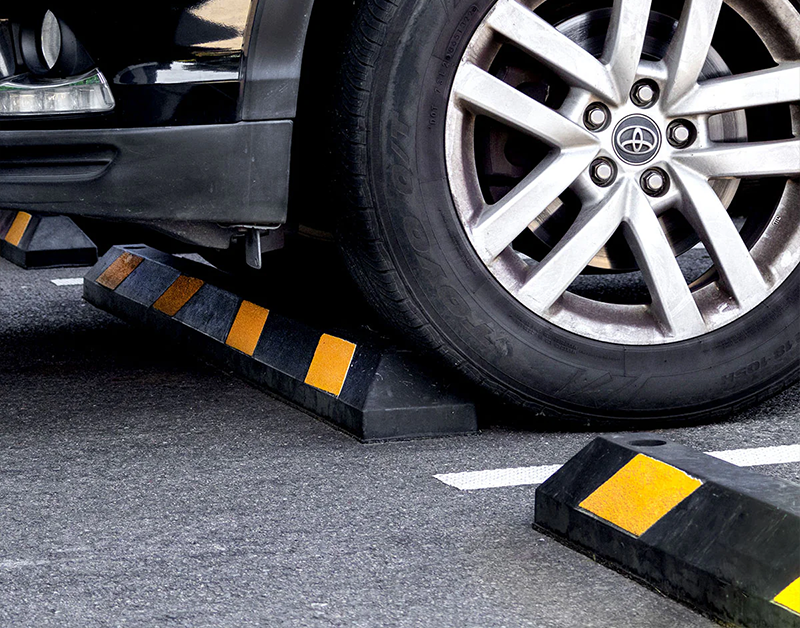
Bright colour accents and reflective strips make rubber stoppers easy to spot, improving safety in low-light environments such as basements and enclosed car parks.
Weather and Wear Resistance
Unlike concrete or metal alternatives, rubber stoppers are resistant to cracking, corrosion, and environmental wear.
Ease of Installation
Modern rubber stoppers can be installed quickly with minimal disruption, making them ideal for both new developments and retrofitting projects.
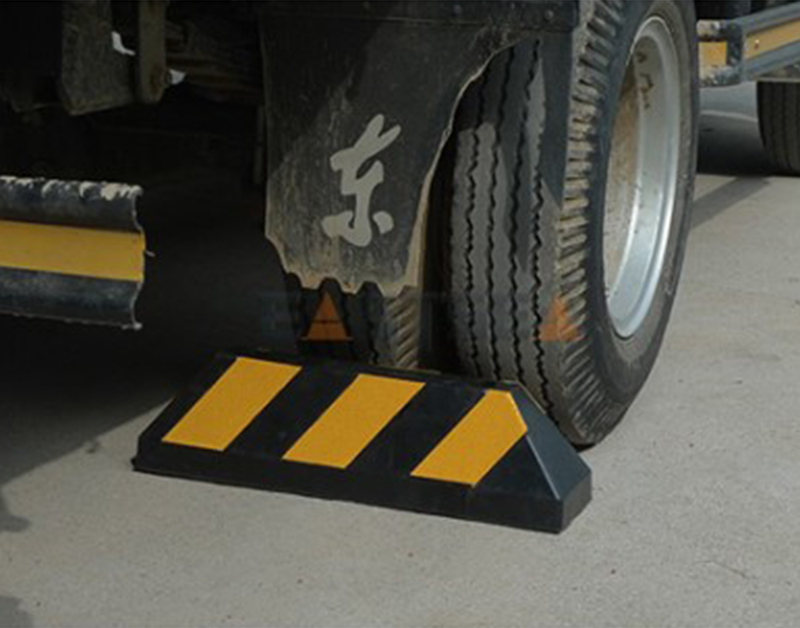
Wheel Stoppers: Small Component, Big Impact
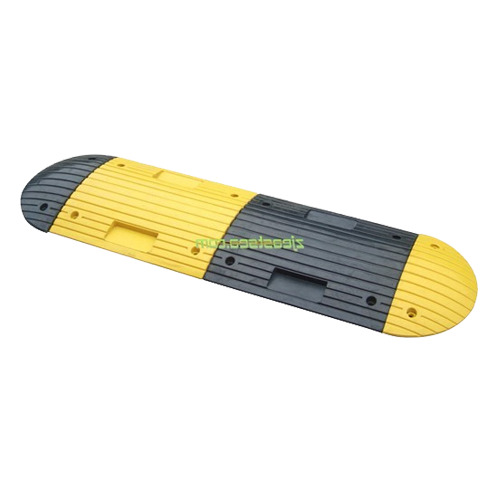
A wheel stopper may appear simple, but its role in vehicle management is critical. Positioned correctly, wheel stoppers:
- Prevent vehicles from rolling beyond parking boundaries
- Protect walls, columns, and pedestrian areas
- Encourage consistent parking behaviour
In both commercial and industrial settings, wheel stoppers reduce the likelihood of accidental collisions that lead to costly repairs.
Integrating Protection Solutions into Material Handling Environments
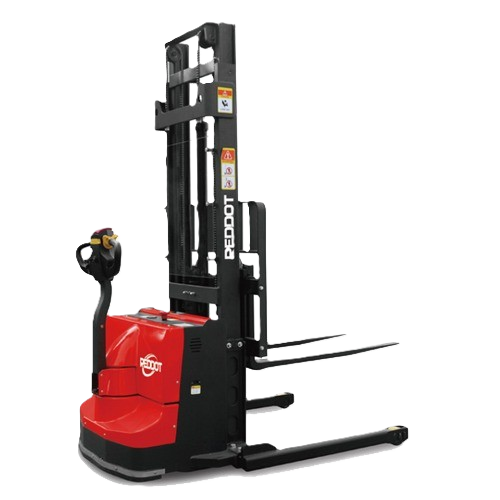
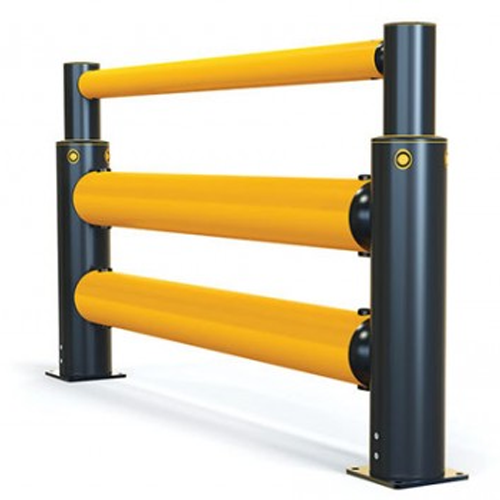
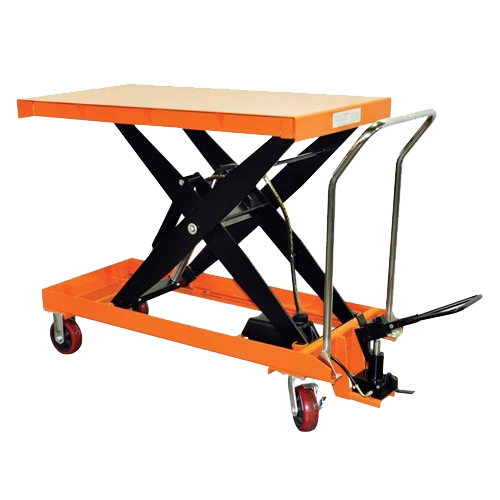
Protection solutions are not limited to car parks. In warehouses and distribution centres, rubber stoppers and barriers play a vital role in supporting material handling equipment operations.
By defining safe stopping points and traffic boundaries, these solutions:
- Protect racking systems and storage zones
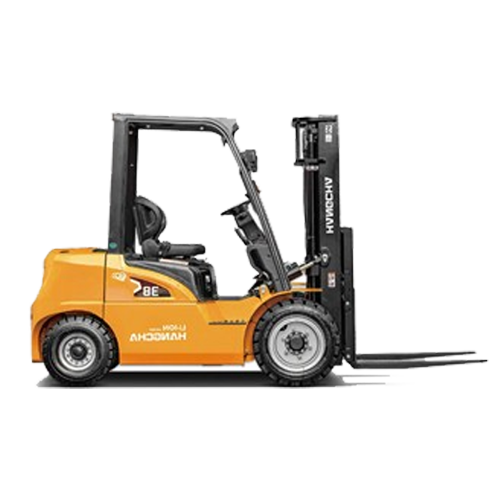
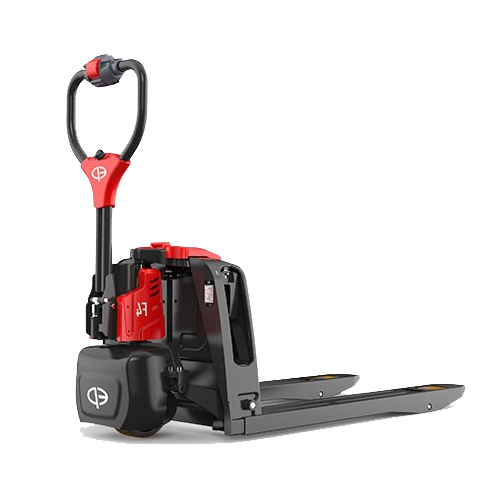
- Reduce collisions involving forklifts and pallet trucks
- Enhance pedestrian safety in shared spaces
When combined with well-planned traffic flow and signage, protection systems become an integral part of a safe and efficient material handling strategy.
Supporting Forklift Operations in Singapore
In high-activity logistics environments—particularly where forklift Singapore operations are common—minor misjudgements can quickly escalate into damage or injury. Rubber stoppers and wheel stopper systems help guide vehicle movement and create clear physical limits, reducing reliance on operator judgement alone.
By providing tactile and visual cues, these solutions enhance safety without slowing down operations, making them ideal for fast-paced facilities.
Comparing Rubber Stoppers with Traditional Alternatives
Rubber vs Concrete
Concrete stoppers are heavy and durable but prone to cracking and difficult to replace. Rubber stoppers offer flexibility, impact absorption, and easier maintenance.
Rubber vs Metal
Metal stops provide strength but can damage vehicles and flooring. Rubber alternatives reduce impact force while maintaining effective stopping power.
In modern facilities, rubber stoppers strike the best balance between protection, durability, and user safety.
Where Rubber Stoppers Perform Best
Rubber stoppers are particularly effective in:
- Commercial and residential car parks
- Warehouses and loading bays
- Retail and mixed-use developments
- Facilities with frequent vehicle turnover
Their adaptability allows them to perform consistently across a wide range of environments.
Protection Solutions as a Long-Term Investment
While protection systems may seem like a minor expense, their long-term value is significant. Preventing just one major collision can offset the cost of installation many times over.
Modern rubber stoppers and wheel stopper systems reduce:
- Repair and maintenance costs
- Vehicle damage claims
- Downtime due to safety incidents
More importantly, they contribute to a safer working environment, supporting compliance and operational confidence.
Why Quality Matters in Protection Solutions
Not all rubber stoppers are created equal. Material quality, design specifications, and installation standards directly affect performance and lifespan. Choosing proven solutions from reputable suppliers ensures reliability under real-world conditions.
Tysen Technologies offers a curated range of traffic and protection solutions designed to meet demanding operational requirements.
Frequently Asked Questions (FAQ)
What are rubber stoppers used for?
Rubber stoppers prevent vehicles from rolling beyond designated parking or stopping areas, protecting infrastructure and pedestrians.
Are rubber stoppers suitable for warehouses?
Yes. Rubber stoppers are commonly used in warehouses to support material handling equipment safety.
How long do rubber stoppers last?
With proper installation, rubber stoppers offer long service life due to their resistance to wear and weather.
Do wheel stoppers damage tyres?
No. Rubber wheel stoppers are designed to minimise tyre and vehicle damage upon contact.
Can rubber stoppers be installed in existing facilities?
Yes. They are ideal for retrofitting with minimal disruption.
The Future of Protection Solutions
As facilities become more automated and space-efficient, protection solutions will continue to evolve. Innovations in materials and design will focus on flexibility, sustainability, and enhanced visibility, ensuring safety keeps pace with operational demands.
Rubber stoppers and wheel stopper systems represent this shift—moving from rigid barriers to intelligent protection solutions that support people, vehicles, and productivity.
Protect Smarter with Tysen Technologies
Tysen Technologies provides reliable, high-quality protection solutions tailored for modern environments. From rubber stoppers to complete traffic management systems, their expertise helps businesses enhance safety without compromising efficiency.
Safety shouldn’t slow your business down. Tysen Technologies delivers heavy-duty protection—from rubber stoppers to full traffic management—designed to keep your team safe and your operations moving. Reach out to us now!


