
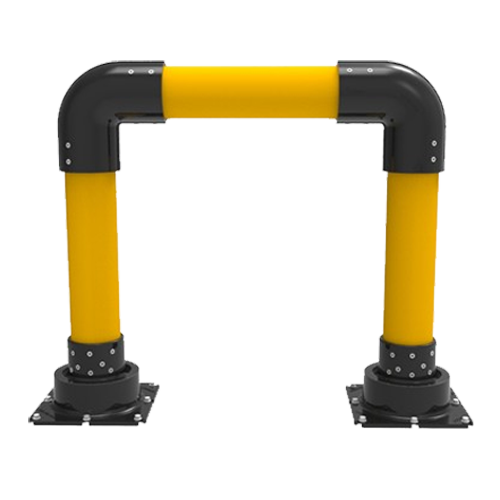

Tysen Technologies supplies flexible bollards and safety barriers in Singapore for workplace, traffic-management, pedestrian and industrial applications. Our extensive range includes safety barriers, bollards, and rubber bumpers, designed to help manage vehicle movement and protect people and infrastructure.
Compared to conventional rigid metal barriers, their engineered polymer construction allows them to flex, absorb and dissipate impact energy. This can help reduce the force transferred to vehicles, flooring, anchors and surrounding infrastructure, making polymer protection particularly suitable for areas where repeated forklift or vehicle impacts may occur.
Our flexible bollards can support vehicle guidance, traffic management and vehicle segregation across car parks, driveways, industrial facilities and other areas where vehicle movement needs to be clearly managed.
Explore the available products below or contact us for assistance in selecting a suitable safety solution for your site.
… Load more-
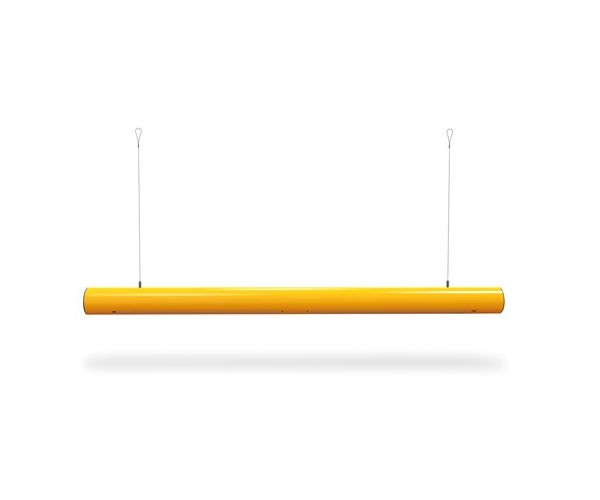
A-Safe Alarm Bar
The Alarm Bar is designed to protect overhead assets/ low hanging infrastructures from accidental damage from moving vehicles e.g forklifts.
-
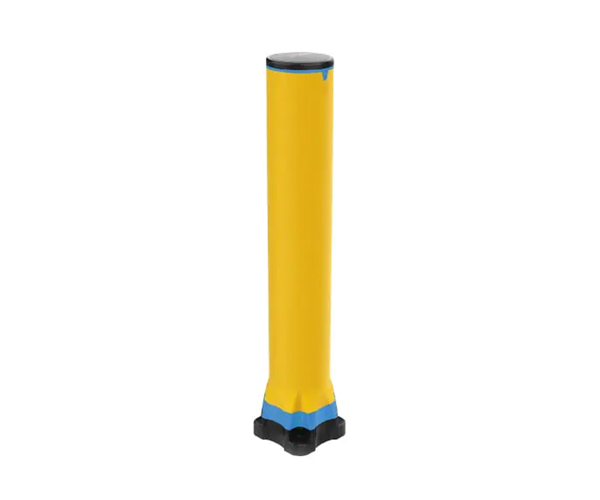
A-Safe Bollard 130
The Bollard 130 is a compact, high-visibility solution for protecting vulnerable structures and guiding vehicle movement in confined spaces. It dissipates energy from low-speed impacts, helping to prevent damage to doorways, corners, and equipment.
Its bright finish enhances visibility, while the durable polymer design ensures long-term performance in demanding environments. Ideal for use in warehouses, loading bays, and tight operational zones, the bollard supports traffic control and site safety compliance.
Engineered with advanced three-layer polymer, the bollard withstands withstand small and large impacts in high traffic zones. Contact our experts today to find the fit-for-purpose solution for your operation.
-
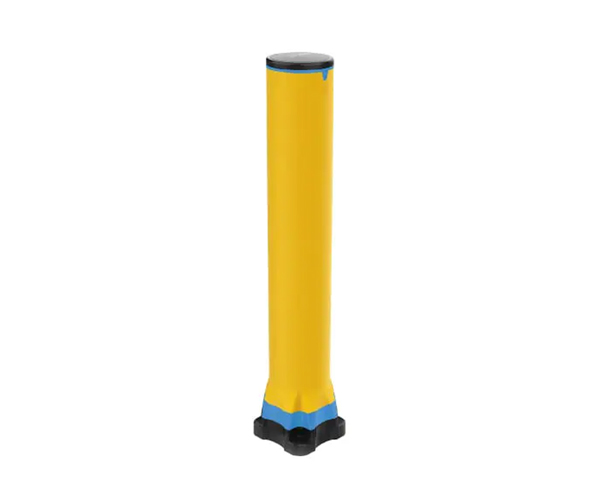
A-Safe Bollard 190
In busy working environments, bollards are constantly active in protecting vital infrastructure and investments, such as machinery. A problem with using traditional bollards is that constant bumps and scrapes often lead to costly repairs and often disruption in operations during maintenance work.
Introducing the Monoplex 190 Heavy-Duty Bollard – engineered with a cutting-edge design and durable materials. Offering unrivalled protection against everyday impacts, this heavy-duty bollard ensures repeat performance without causing damage to itself, the flooring, or the vehicles involved.
The Monoplex 190 Heavy Duty Bollard’s advanced, durable material withstands both small and large impacts, ensuring high-quality protection for your investments like buildings, machinery, and vehicles. Reducing costly downtime and repairs and keeping your facilities looking great, and your operation running smoothly.
-
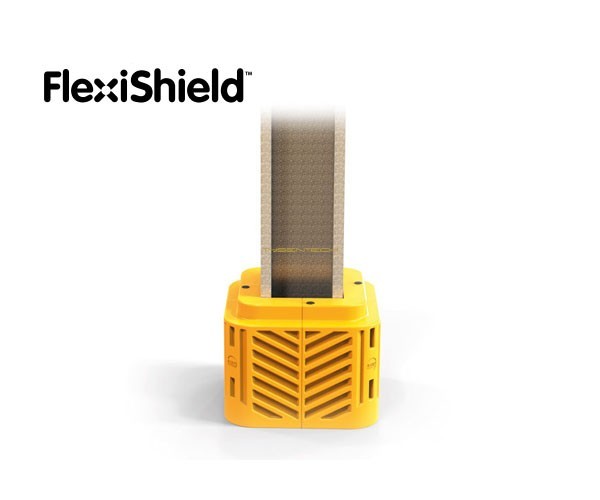
A-Safe FlexiShield Column Guard
FlexiShield Column Guard is specifically designed to provide integrated column protection at any height for square and rectangular columns.
-

A-Safe FlexiShield Corner Guard
FlexiShield Corner Guard is specifically designed to protect wall edges and door frames from day-to-day bumps and scrapes from pallet trucks.
-

A-Safe iFlex Height Restrictor
The iFlex Height Restrictor offers up to 5,400 joules of impact energy absorption capacity, equivalent to a laden load of 6.0 Ton travelling at 4.83 kph and impacting at an angle of 90°
-
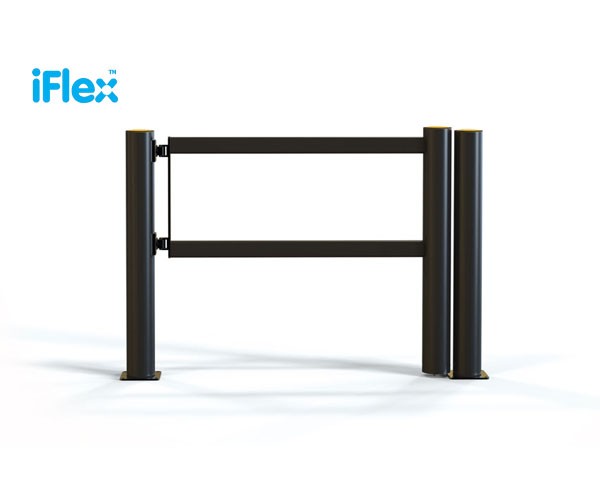
A-Safe iFlex Swing Gate Long
Swing Gates provide safe access and exit points for pedestrians. The long gate is supplied with additional post support for enhanced strength and stay-open access option for both pedestrians and vehicles.
-
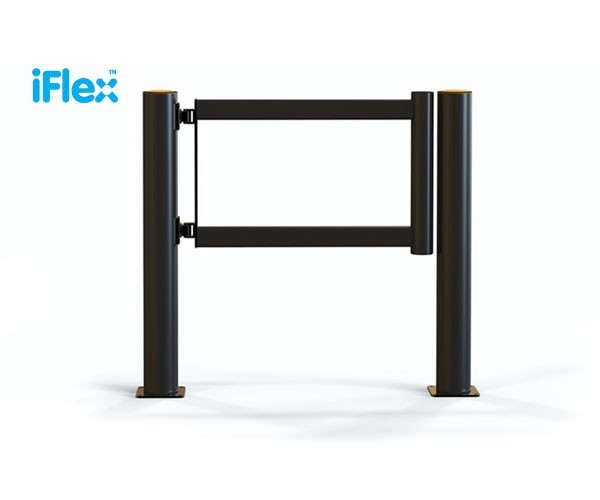
A-Safe iFlex Swing Gate Short
Swing Gates provide safe access and exit points for pedestrians. The short swing gate has a hydraulic self-close feature to automatically return the gate to its closed position and maintain pedestrian safety.
-

A-Safe Pedestrian Barrier 130-T0-P3
The 130-T0-P3 pedestrian barrier segregates and safeguards pedestrians from moving vehicles and workplace hazards. Its compact, energy-dissipating design makes it ideal for defining pedestrian routes in areas with light vehicle traffic or where shallow-angle impacts may occur.
This barrier provides both physical and visual separation, helping to guide foot traffic while protecting individuals from accidental collisions. Its modular polymer construction cushions and deflects impact forces, reducing the risk of injury and damage. Suitable for indoor and outdoor use, this pedestrian barrier supports safe movement in logistics centres, warehouses, and manufacturing environments.
-
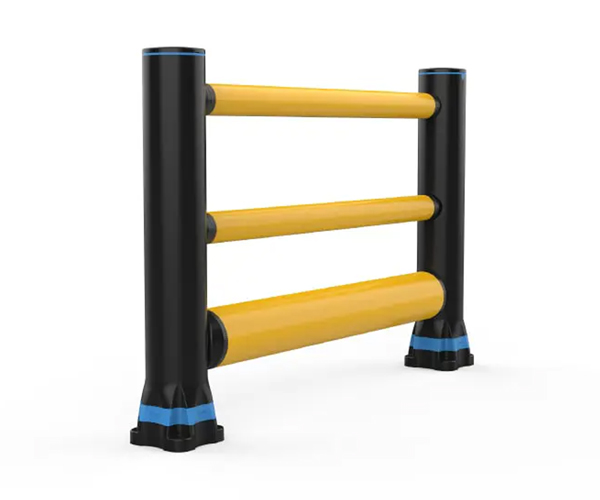
A-Safe Pedestrian Barrier 190-T1-P2
The 190-T1-P2 pedestrian barrier provides enhanced protection for areas where pedestrian and vehicle routes intersect. It is engineered to withstand impacts from industrial vehicles, dissipating energy effectively to reduce the risk of injury and structural damage.
This barrier helps define safe pedestrian zones while supporting efficient movement across operational areas. Its high-visibility design improves awareness, and its durable construction ensures long-term performance in demanding environments. Ideal for use in shared spaces, loading zones, and busy intersections, the 190-T1-P2 supports compliance with workplace safety standards.
-
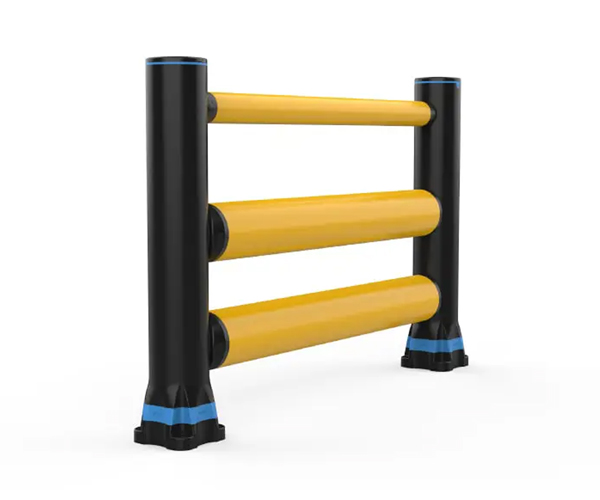
A-Safe Pedestrian Barrier 190-T2-P1
The 190-T2-P1 pedestrian barrier is built for high-risk environments with frequent vehicle movement. Its reinforced design provides maximum protection for pedestrians by dissipating impact energy and reducing the likelihood of serious damage or injury.
This barrier is suitable for complex layouts and high-traffic zones, offering both visual guidance and physical defence. It helps create structured pedestrian routes in logistics hubs, manufacturing plants, and distribution centres, improving safety and operational efficiency across the site
-
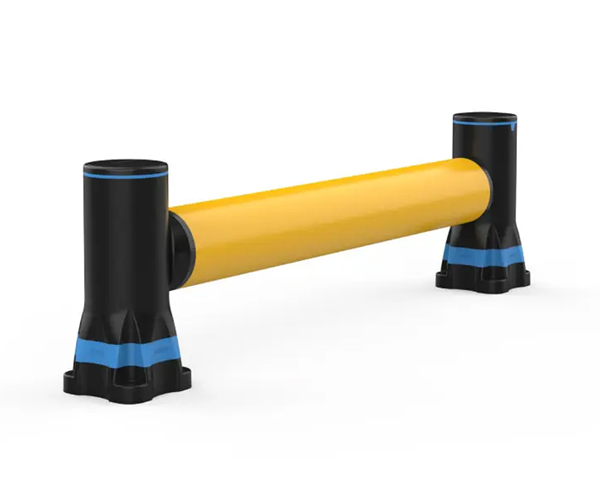
A-Safe Traffic Barrier 190-T1-P0
The 190-T1-P0 traffic barrier is designed to protect infrastructure and guide vehicle movement in busy operational areas. It dissipates energy from vehicle impacts, helping to prevent damage to machinery, walls, and racking while maintaining traffic flow.
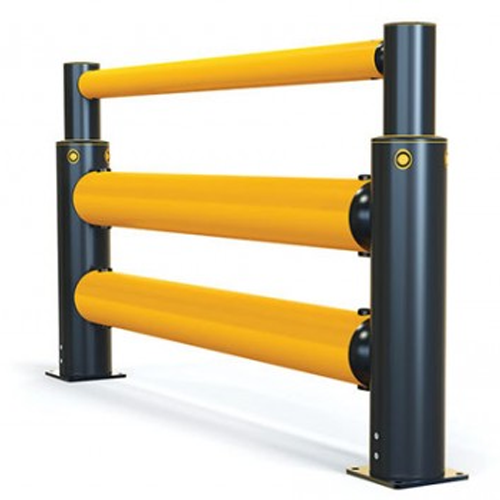
Its high-performance polymer construction and modular design make it suitable for a wide range of industrial environments. The barrier improves traffic discipline and supports safer operations in warehouses, factories, and distribution centres, especially where space is shared between vehicles and personnel.
Flexible Bollards for Workplace Impact Protection
Flexible bollards provide physical protection around vulnerable structures while allowing the protection system to flex when impacted. Unlike a conventional rigid post, these flexible systems can absorb and dissipate part of the impact energy rather than relying entirely on a rigid structure to resist the collision.
This can be particularly valuable in warehouses, loading bays, and industrial facilities where forklifts and other vehicles operate close to doors, machinery, racking, and building structures. Our flexible bollards help:
- Protect equipment, structures and building features from vehicle impacts
- Reduce the force transferred through the protection system and its mounting points
- Minimise potential damage to vehicles during suitable low-speed impacts
- Reduce the need for repeated repairs or replacement after minor collisions
- Provide highly visible protection around vehicle operating areas
Flexible protection can also help reduce the severity of impact forces experienced within the vehicle, which may help reduce the impact transmitted to forklift operators. However, barrier protection does not replace safe driving practices or the use of appropriate operator restraints.
Other Products
Our safety range extends beyond flexible bollards, we offer:
Rubber Bumpers
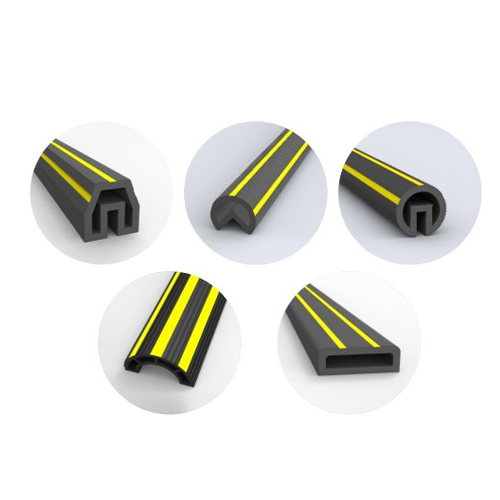
Rubber bumpers provide protection at locations where vehicles repeatedly approach fixed structures. D-Type Dock Bumpers, for example, are manufactured from reinforced rubber and are available in different heights for loading and dock applications.
ForkGuard Barriers
ForkGuard barriers are designed for areas where forklift traffic presents a risk to equipment, structures and other assets. The iFlex ForkGuard Kerb has a listed nominal impact-energy absorption capacity of 4,500 joules.
Speed Bumps and Traffic Products
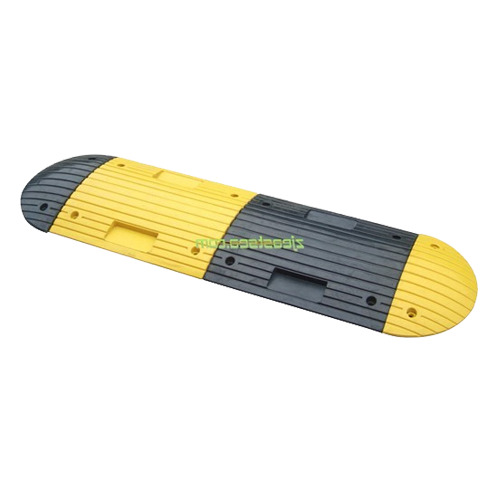
Speed bumps and other traffic-management products can help control vehicle speeds and improve traffic flow in car parks, driveways and other areas where vehicle movement needs to be managed.
Temporary and Pedestrian Barriers
For temporary access control or pedestrian management, Tysen also offers products such as expandable plastic barriers and flexible pedestrian barriers for separating people and vehicles in appropriate applications.
Where can Bollards & Safety Barriers Be Used?
The right protection product depends on the type of vehicle activity, the asset being protected and the level of impact expected. Our bollards and safety barriers are available for a range of workplace and traffic environments:
| Application | Purpose |
|---|---|
| Car Parks | Help define vehicle routes and protected areas |
| Driveways | Support vehicle guidance and visibility |
| Industrial Facilities | Help separate vehicles from pedestrian areas |
| Warehouses | Support traffic management around operational areas |
| Loading Areas | Help identify and protect areas affected by vehicle movement |
| Pedestrian Routes | Help create clearer separation from vehicle traffic |
How to Choose Flexible Traffic Bollards
Vehicle Traffic
Consider the types of vehicles using the area, including cars, delivery vehicles, forklifts and other industrial vehicles.
Traffic Management Requirements
Determine whether the bollards are primarily required for vehicle guidance, route definition, area protection or vehicle segregation.
Visibility
Consider the visibility requirements of the installation location, particularly in areas with frequent vehicle and pedestrian movement.
Installation Environment
Consider whether the bollards will be installed indoors or outdoors and the conditions they will be exposed to.
Impact Requirements
Consider the expected level of vehicle interaction and select a product that is appropriate for the site's protection requirements.
Flexible Traffic Bollards vs Rigid Metal Bollards
| Consideration | Flexible Polymer Bollards | Rigid Metal Bollards |
|---|---|---|
| Impact behaviour | Flex and absorb or dissipate impact energy | Primarily resist impact through rigidity |
| Vehicle contact | Can reduce the severity of impact forces transferred to the vehicle | Contact can result in dents, scratches or other vehicle damage |
| Floor and anchors | Designed to reduce force transfer into mounting points | Greater impact force may be transferred through the fixing system |
| Recovery | Some systems can return towards their original position after impact | Can bend, dent or require repair after a collision |
| Maintenance | Potentially fewer repairs after suitable impacts | May require straightening, repainting or replacement |
| Best suited to | Dynamic vehicle-impact environments | Applications where rigid physical protection is specifically required |
The comparison does not mean polymers should replace every metal barrier. Rigid protection can still be appropriate for applications requiring a fixed structural barrier. However, where repeated forklift or vehicle impacts are a concern, the impact-management characteristics of a flexible polymer system deserve consideration.
Frequently Asked Questions (FAQs)
What are flexible traffic bollards?
Flexible traffic bollards are safety products used to help guide vehicles, define traffic routes and provide protection in areas where vehicle and pedestrian movement occurs.
Where are flexible traffic bollards used?
Flexible traffic bollards can be used in car parks, driveways, warehouses, industrial facilities, loading areas and other environments where vehicle traffic needs to be managed.
How do I choose the right flexible traffic bollard?
Consider the type of vehicles using the area, traffic-management requirements, visibility, installation environment and expected level of vehicle interaction before selecting a product.
Why choose flexible polymer bollards instead of metal bollards?
Flexible polymer bollards are designed to manage impact differently from rigid metal bollards. Their ability to flex and absorb impact can help reduce damage to forklifts, flooring, mounting points and the bollard itself after suitable impacts, potentially reducing maintenance.
Where can flexible bollards and safety barriers be used?
They can be used in warehouses, factories, loading bays, car parks, pedestrian areas and other locations where vehicles operate close to people, equipment or infrastructure.
Does Tysen Technologies supply other safety protection products?
Yes. In addition to flexible bollards and safety barriers, Tysen Technologies supplies products including traffic barriers, pedestrian barriers, ForkGuard systems, rubber bumpers, speed bumps and temporary barriers for different traffic-management and impact-protection applications.
Safety Barriers, Flexible Bollards and Bumpers in Singapore
Protect your people, equipment and infrastructure with safety products designed for the demands of vehicle and pedestrian environments. Tysen Technologies supplies flexible bollards, safety barriers, traffic barriers, pedestrian barriers, rubber bumpers and other traffic-safety products in Singapore.
If you need assistance choosing a suitable safety barrier, contact Tysen Technologies to discuss your site requirements and identify an appropriate product solution.
Request a Product Recommendation or Quotation