

Warehousing is no longer just about storing goods—it is about speed, accuracy, and adaptability. As supply chains grow more complex and customer expectations rise, warehouses are under pressure to do more with less space, tighter timelines, and limited labour. This shift has placed advanced material handling equipment at the centre of modern logistics strategies.
Among the most transformative developments is the rise of robotic picking and sorting systems. These intelligent solutions are redefining how warehouses operate, particularly in high-demand environments like Singapore, where efficiency and optimisation are critical.
The Evolution of Modern Warehousing
Traditional warehousing models relied heavily on manual labour and basic equipment. While effective in the past, these approaches struggle to keep up with today’s demands for rapid order fulfilment, real-time inventory visibility, and error-free processing.
Modern material handling equipment Singapore warehouses rely on today is increasingly automated, data-driven, and integrated. Robotic systems are no longer experimental technologies—they are practical tools that deliver measurable results across productivity, accuracy, and scalability.
What Are Robotic Picking and Sorting Systems?
Robotic picking and sorting systems use a combination of robotics, sensors, software, and artificial intelligence to identify, pick, and route items within a warehouse. These systems can:
- Select items from shelves or bins
- Sort products based on destination or order type
- Work continuously with consistent accuracy
Unlike traditional automation, robotic systems are designed to adapt to changing inventory and order patterns, making them suitable for dynamic warehouse environments.
Why Robotics Are Transforming Material Handling Equipment
Speed Without Fatigue
Robotic systems operate continuously without breaks, fatigue, or performance fluctuations. This allows warehouses to maintain consistent throughput during peak demand periods.
Improved Accuracy
Human error is one of the most common causes of order inaccuracies. Robotic picking systems use sensors and programmed logic to achieve extremely high accuracy rates, reducing returns and rework.
Efficient Space Utilisation
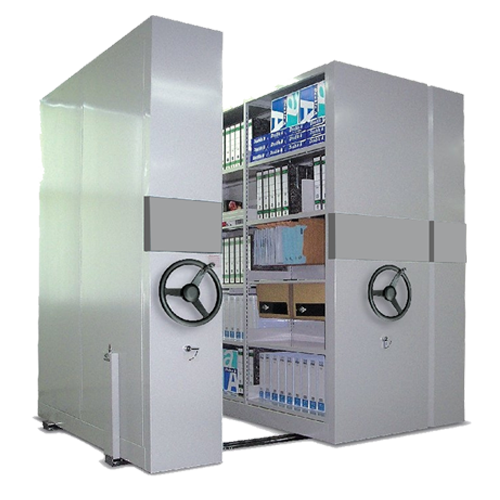
Robotics allow warehouses to adopt high-density storage layouts that would be impractical with manual picking. This is particularly valuable in Singapore, where warehouse space comes at a premium.
Safer Working Environments
By automating repetitive or physically demanding tasks, robotic systems reduce the risk of workplace injuries and allow staff to focus on higher-value activities.
Robotics and Traditional Equipment: A Complementary Relationship
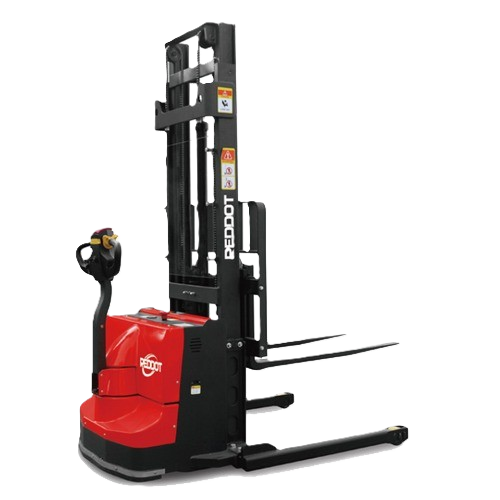
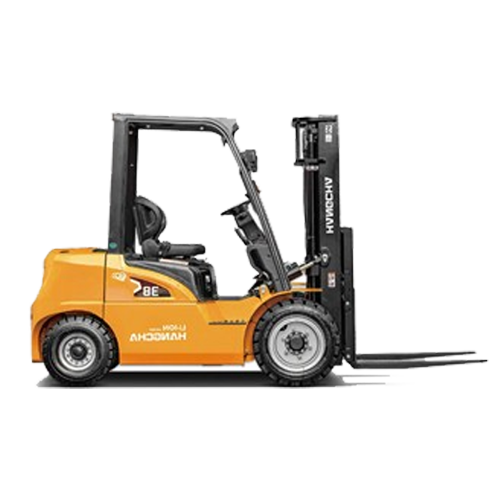
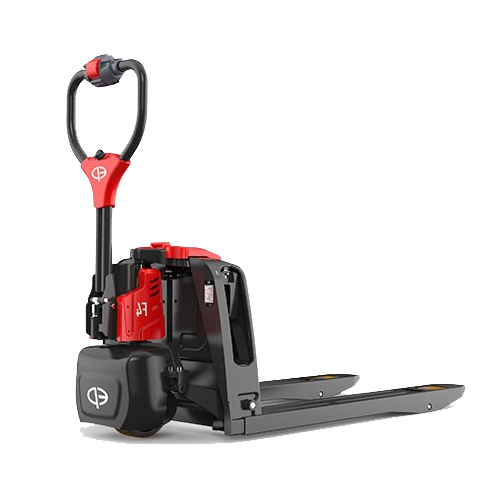
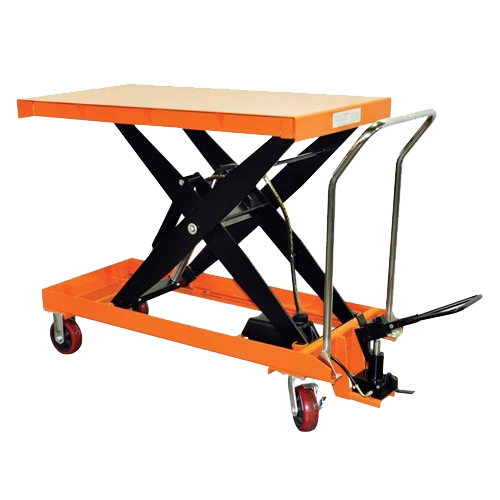
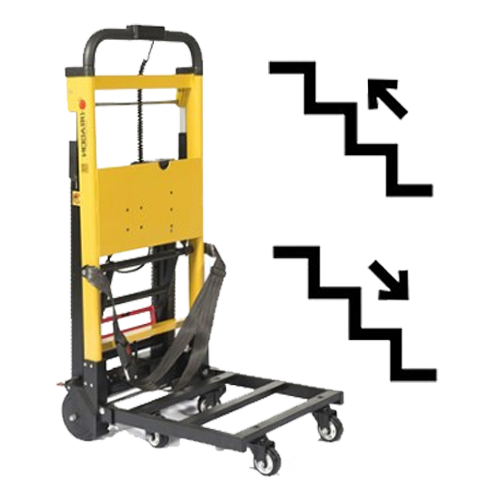
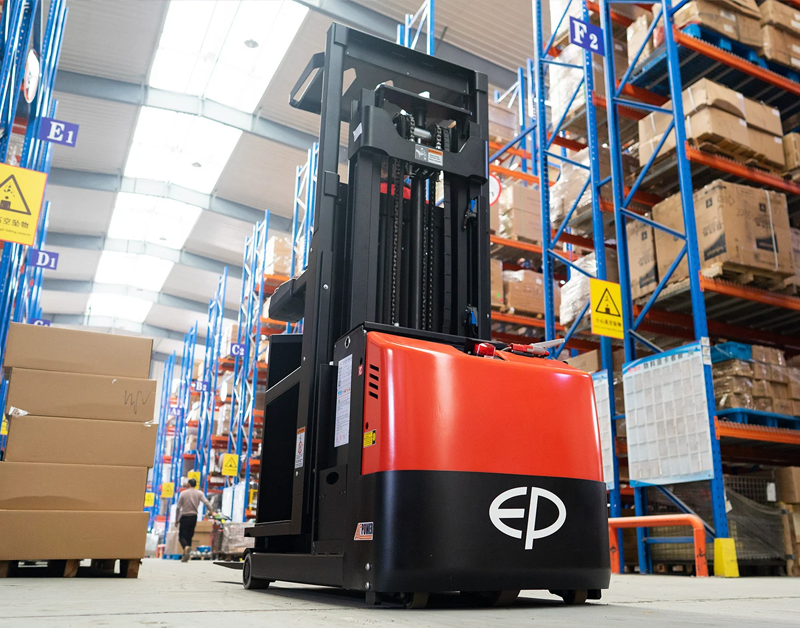
Robotic picking systems do not replace all traditional material handling equipment—they enhance it. Equipment such as pallet trucks, conveyors, and forklifts continue to play essential roles in transporting and staging goods.
In many operations, robotics handle item-level picking and sorting, while conventional equipment manages pallet movement and bulk storage. This hybrid approach delivers both flexibility and scalability.
The Role of Order Pickers in Automated Warehouses
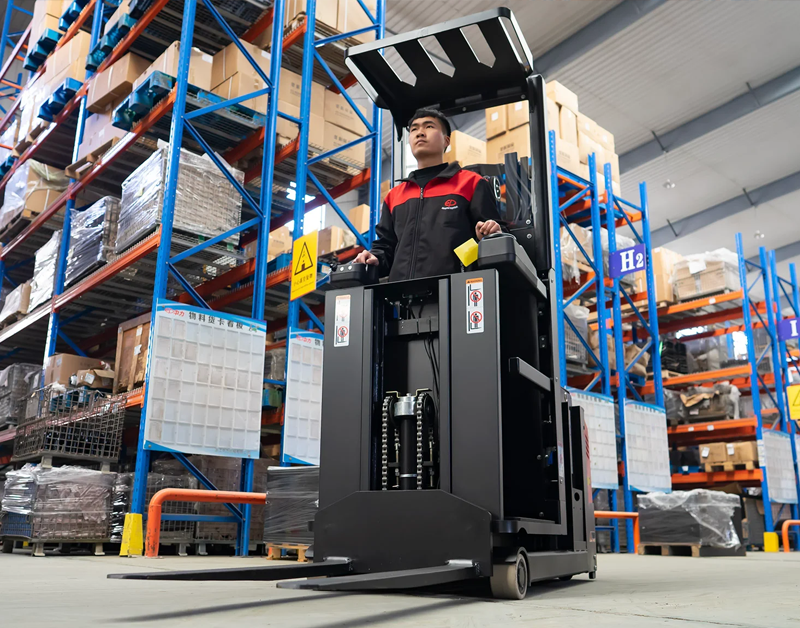
Even in highly automated facilities, the order picker remains an important component of warehouse operations. Order pickers are used for selective picking, replenishment tasks, and handling items that require human oversight.
When integrated with robotic systems, order pickers help bridge the gap between automation and manual processes. This ensures smooth workflows, especially during exceptions or special handling requirements.
Why Singapore Warehouses Are Embracing Robotics
Singapore’s logistics and warehousing sector faces unique challenges:
- Limited land availability
- High labour costs
- Strong demand for fast turnaround times
Robotic picking and sorting systems directly address these challenges by increasing output without expanding floor space or workforce size. For businesses seeking long-term competitiveness, automation is becoming a strategic necessity rather than an optional upgrade.
Scalability for Growing Operations
One of the biggest advantages of robotic systems is scalability. Unlike fixed automation, many robotic solutions can be expanded incrementally. Additional robots or modules can be introduced as order volumes grow, allowing warehouses to scale without major disruptions.
This flexibility makes robotics especially attractive to businesses experiencing seasonal demand or rapid growth.
Data-Driven Decision Making
Robotic systems generate valuable operational data, offering insights into picking speed, order accuracy, bottlenecks, and inventory movement. This data enables warehouse managers to make informed decisions and continuously optimise processes.
When combined with modern material handling equipment, this data-driven approach creates smarter, more responsive warehouses.
Overcoming the Perception Barrier
Despite clear benefits, some organisations hesitate to adopt robotics due to concerns about cost or complexity. In reality, robotic systems are becoming more accessible, with faster return on investment driven by labour savings, error reduction, and increased throughput.
Working with experienced solution providers helps ensure that automation investments align with actual operational needs rather than theoretical capabilities.
The Importance of the Right Integration Partner
Successful automation is not just about technology—it is about implementation. Robotic picking systems must integrate seamlessly with existing warehouse layouts, software, and equipment.
Tysen Technologies understands the practical realities of warehouse operations. By offering a broad portfolio of material handling equipment and system solutions, they support businesses in designing efficient, future-ready warehouses.
Preparing the Workforce for Automation
Automation does not eliminate the need for people—it changes how people work. As robotic systems take over repetitive tasks, warehouse staff can focus on supervision, quality control, system monitoring, and exception handling.
This shift often leads to higher job satisfaction and improved workforce stability.
Frequently Asked Questions (FAQ)
What is robotic picking in warehousing?
Robotic picking uses automated systems to identify, pick, and move items within a warehouse, reducing reliance on manual labour.
Does robotics replace all material handling equipment?
No. Robotics works alongside traditional material handling equipment to create balanced and efficient workflows.
Are robotic systems suitable for small warehouses?
Yes. Many robotic solutions are modular and scalable, making them suitable for operations of various sizes.
How do order pickers fit into automated warehouses?
Order pickers support selective picking and replenishment tasks, complementing robotic systems where flexibility is required.
Is automation practical in Singapore warehouses?
Yes. Due to space constraints and labour considerations, automation is particularly well-suited to Singapore’s warehousing environment.
The Future of Warehousing Is Intelligent
Robotic picking and sorting systems are no longer a vision of the future—they are a practical solution shaping warehouses today. By enhancing speed, accuracy, safety, and scalability, robotics unlocks new potential in modern material handling equipment that Singapore facilities rely on.
For businesses looking to stay competitive in an evolving logistics landscape, embracing automation is a strategic step forward.
Partner with Tysen Technologies for Smarter Warehousing
Tysen Technologies supports businesses with advanced material handling and warehousing solutions designed for real-world performance. From conventional equipment to future-ready systems, their expertise helps transform warehouse operations with confidence.
Visit Tysen Technologies to explore material handling equipment solutions and discover order picker options.


