
In a city as tight as Singapore, every square meter on your floor plan is a line item on your balance sheet. Whether you’re managing a high-turnover warehouse in Jurong or a high-density archive in the CBD, the challenge is always the same: you’re running out of room, but you can’t afford to move to a larger facility.
This “space crunch” is exactly why mobile shelving and compactor storage systems have moved from being a luxury to a logistical staple.
The old way of thinking—static rows of shelving with permanent aisles between them—is essentially paying for empty air. Modern mobile systems reclaim that wasted space by mounting shelves on floor tracks, allowing you to compress your entire storage area and open up an aisle only when and where you need it.
For many Singaporean businesses, this transition is a game-changer. It allows healthcare facilities to double their medical record capacity within the same footprint, and gives logistics hubs the breathing room to increase inventory without the overhead of a bigger lease. By turning static storage into a dynamic, movable asset, you aren’t just tidying up an office—you’re literally creating more room for your business to grow.
Designed to maximise storage density while improving workflow, these commercial storage systems offer a smart, long-term solution for businesses looking to streamline operations and stay agile.
Why Storage Efficiency Matters in Singapore
With high rental costs and limited floor space, inefficient storage quickly becomes a hidden operational expense. Poorly planned shelving systems can lead to clutter, wasted space, slow retrieval times, and even safety hazards.
Singapore businesses require storage solutions that:
- Optimise available space
- Support high-frequency access
- Adapt to evolving operational needs
- Integrate seamlessly with daily workflows
Modern mobile shelving and compactor systems meet these demands by eliminating unused aisle space and creating organised, high-density storage environments.
Understanding Compactor Storage Systems
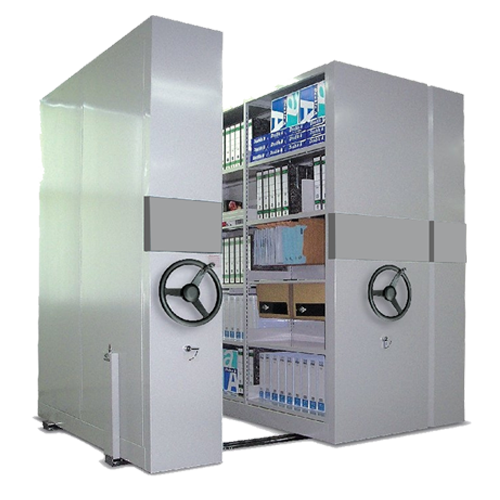
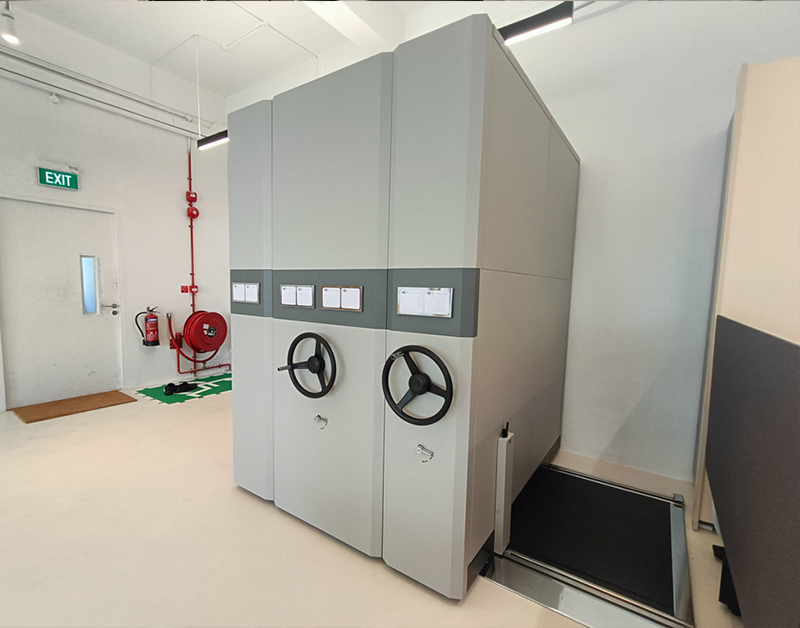
Compactor storage systems consist of shelving units mounted on mobile bases that move along tracks. Instead of fixed aisles between shelves, aisles are created only when access is required. This dramatically increases storage capacity without expanding floor area.

Key Advantages of Compactor Storage
Maximised Space Utilisation
By eliminating permanent aisles, compactor systems can increase storage capacity by up to 100% compared to static shelving.
Improved Organisation
Clearly structured shelving makes inventory, documents, or equipment easier to locate and manage.
Customisable Configurations
Compactor storage systems can be tailored to suit different load types, heights, and access requirements.
Enhanced Safety
Modern systems incorporate safety locks, sensors, and smooth movement to ensure secure operation.
Mobile Shelving: Flexibility Meets Functionality
Mobile Shelving systems are particularly effective in environments that require frequent access without sacrificing space. From offices and libraries to retail backrooms and industrial facilities, mobile shelving provides a balance between density and convenience.
Unlike traditional shelving, mobile systems adapt to changing storage demands, allowing businesses to scale without costly renovations.
Commercial Applications Across Industries
Warehousing and Logistics
High-density storage reduces travel time and improves picking efficiency, especially when combined with organised material flow.
Offices and Archives
Mobile shelving allows secure storage of documents and files while maintaining a clean, professional workspace.
Healthcare and Laboratories
Space-efficient storage supports compliance, cleanliness, and quick access to critical supplies.
Retail and Back-of-House Operations
Optimised storage ensures smoother inventory management and improved replenishment processes.
Integrating Storage with Material Handling Equipment
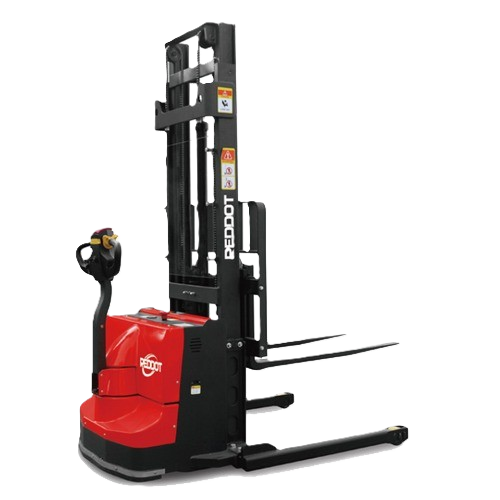
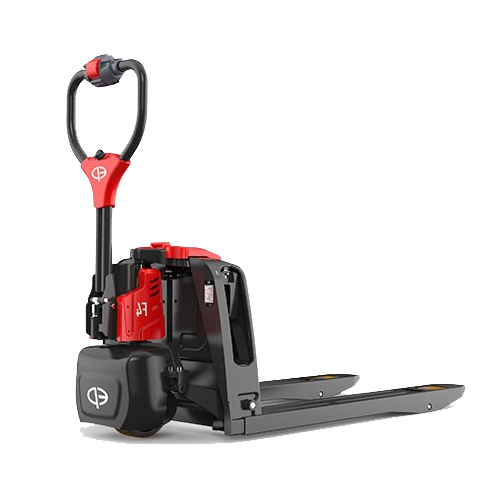
Storage efficiency does not exist in isolation. To fully optimise operations, storage systems must align with material movement processes. This is where equipment such as an electric pallet jack or Electric Pallet Truck becomes essential.
By pairing high-density storage with efficient material handling equipment, businesses can:
- Reduce manual handling
- Improve load transfer efficiency
- Minimise congestion in storage areas
An electric pallet jack allows operators to move pallets smoothly through compact storage layouts, supporting faster and safer operations.
Enhancing Workflow Through Smarter Layouts
A well-designed storage layout reduces unnecessary movement and bottlenecks. Compactor storage systems encourage streamlined workflows by placing frequently accessed items within easy reach while maintaining a compact footprint.
When integrated with electric pallet trucks and other handling equipment, these systems enable seamless movement from storage to dispatch areas—boosting productivity without increasing labour demands.
Safety Considerations in High-Density Storage
Safety is a critical factor in any commercial storage solution. Modern compactor systems are designed with features that protect both operators and stored items, including:
- Anti-tilt mechanisms
- Locking systems to prevent accidental movement
- Smooth track designs for stable operation
Proper training and thoughtful layout planning further enhance safety, ensuring storage efficiency does not come at the expense of workplace wellbeing.
Long-Term Cost Benefits of Mobile Storage Solutions
While compactor storage may require a higher initial investment than static shelving, the long-term returns are substantial. Businesses benefit from:
- Reduced need for additional space
- Lower relocation or expansion costs
- Improved operational efficiency
- Better asset protection
Over time, these advantages translate into measurable cost savings and improved scalability.
Sustainability and Smarter Space Usage
Optimising existing space reduces the need for expansion, contributing to more sustainable operations. By maximising storage capacity within current facilities, businesses lower energy consumption and minimise environmental impact associated with new construction.
Mobile shelving and compactor systems align with sustainability goals by promoting efficient use of resources and infrastructure.
Choosing the Right Storage Partner
The success of a compactor storage system depends on quality design, materials, and installation expertise. Partnering with experienced providers ensures systems are tailored to real operational needs and perform reliably over time.
Tysen Technologies offers customised storage solutions designed to meet the demands of Singapore’s diverse business environments.
Frequently Asked Questions (FAQ)
What is compactor storage best used for?
Compactor storage is ideal for environments requiring high-density storage, such as warehouses, offices, and archives.
Is mobile shelving suitable for heavy loads?
Yes. Mobile shelving systems can be designed to support varying load capacities depending on requirements.
Can compactor storage be retrofitted into existing spaces?
Absolutely. Systems can be customised to fit existing layouts with minimal disruption.
How does an electric pallet jack support compact storage?
Electric pallet jacks allow smooth and efficient movement of pallets within narrow aisles.
Are mobile shelving systems safe to operate?
Yes. Modern systems include safety features to ensure controlled and secure operation.
Future-Proofing Storage for Growing Businesses
As businesses grow and storage needs evolve, flexibility becomes essential. Compactor storage and mobile shelving systems provide a future-ready solution that adapts to change without requiring costly expansions.
By combining smart storage design with efficient material handling equipment, organisations can maintain operational agility in a competitive market.
Transform Your Storage with Tysen Technologies
Tysen Technologies delivers advanced commercial storage solutions designed for performance, safety, and scalability. From compactor storage systems to mobile shelving solutions, every system is tailored to support efficient operations in Singapore’s space-constrained environments.