
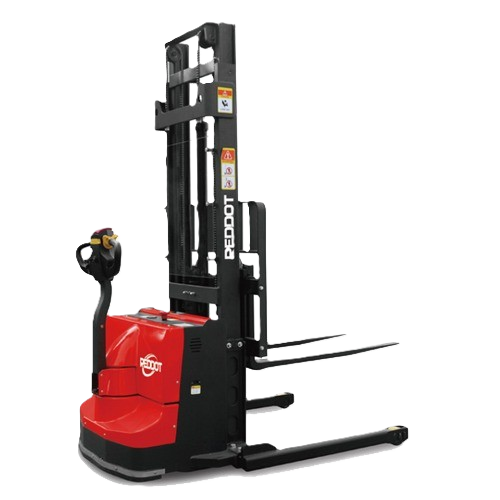
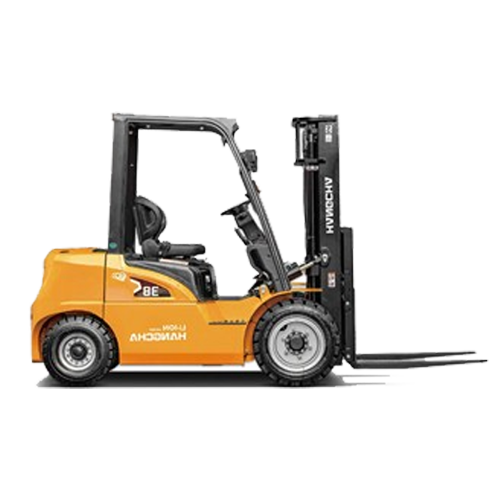
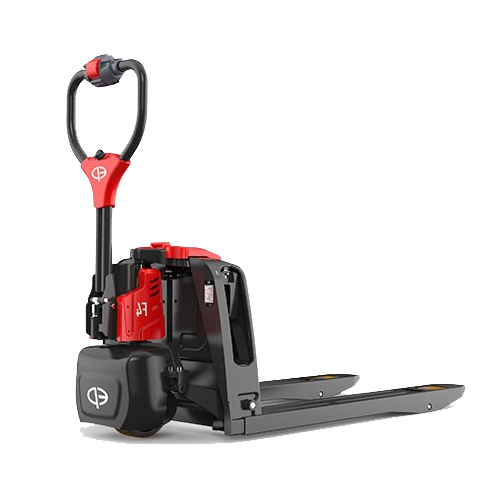
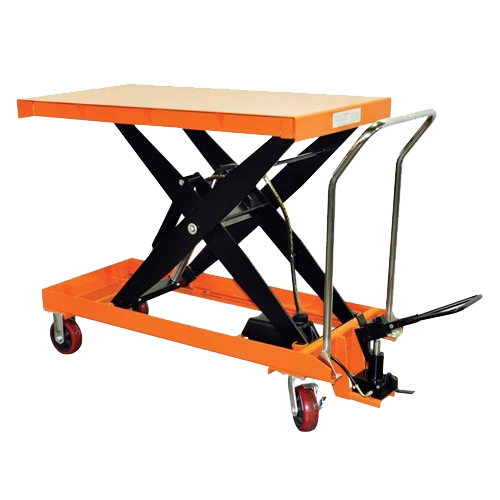
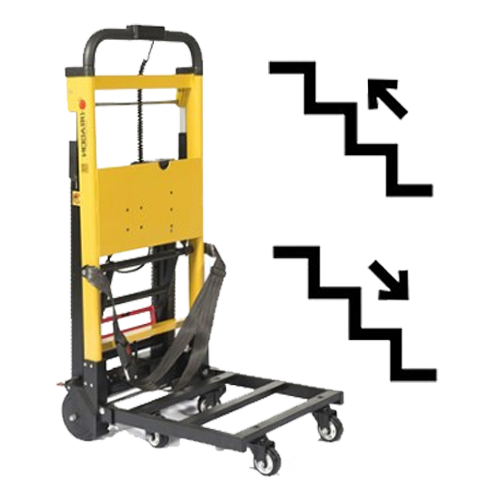

Lithium-ion batteries have become the backbone of modern material handling equipment, powering everything from electric pallet jacks to electric forklift trucks across warehouses and industrial facilities. In Singapore’s fast-moving logistics and manufacturing environment, these batteries enable efficiency, cleaner operations, and lower running costs.
However, one growing concern that warehouse operators and fleet managers face is lithium-ion battery bloating. When left unchecked, bloated batteries can compromise safety, damage expensive equipment, and disrupt daily operations.
This guide explores what battery bloating is, why it happens, and—most importantly—how businesses using material handling equipment in Singapore can prevent it through smarter usage, maintenance, and equipment choices.
Understanding Lithium-Ion Battery Bloating
Battery bloating occurs when gases build up inside a lithium-ion battery cell, causing it to swell or deform. Unlike traditional lead-acid batteries, lithium-ion batteries are sealed units. When internal pressure increases due to chemical reactions, there is nowhere for the gas to escape.
In warehouse environments where electric pallet trucks, electric stackers, and electric fork trucks operate intensively, bloating is often an early warning sign of deeper issues such as overheating, overcharging, or battery degradation.
Ignoring this problem can lead to reduced performance, shorter battery lifespan, and in extreme cases, fire or equipment failure.
Why Battery Bloating Is a Serious Risk in Warehouses
Warehouses rely heavily on uptime. When a critical piece of material handling equipment is taken out of service due to battery issues, productivity suffers immediately.
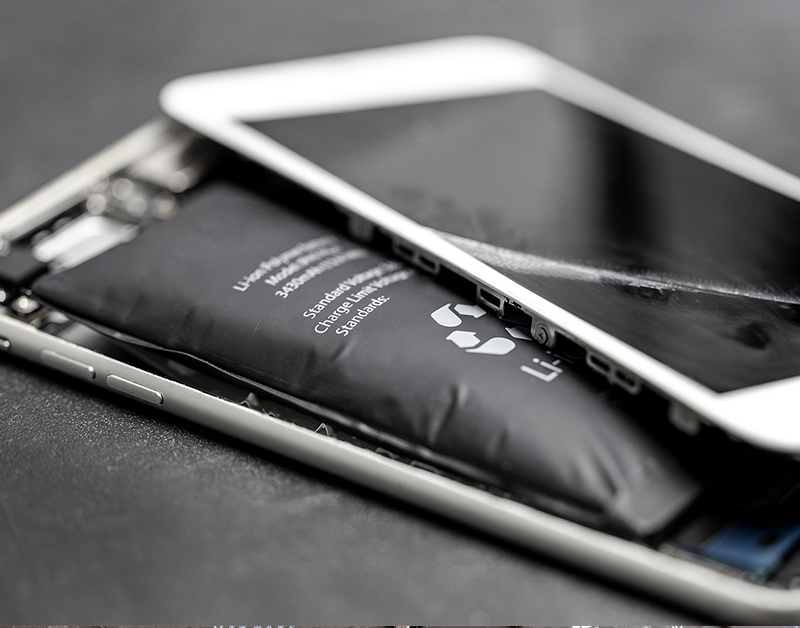
Battery bloating presents several risks:
- Reduced battery capacity and shorter operating hours
- Physical damage to battery compartments
- Increased safety hazards for operators
- Costly downtime and replacement expenses
In Singapore, where warehouse space is limited and operational efficiency is non-negotiable, preventing battery issues is not just a maintenance task—it is a business necessity.
Why Battery Bloating Is a Serious Risk in Warehouses
Understanding the root causes is the first step towards prevention.
Overcharging and Improper Charging Practices
Overcharging is one of the most common causes of bloating. Using incompatible chargers or bypassing manufacturer-recommended charging cycles places stress on the battery cells, accelerating internal gas build-up.
Excessive Heat Exposure
Heat is a lithium-ion battery’s worst enemy. Poor ventilation, high ambient temperatures, or continuous heavy-duty usage—common in electric forklift trucks and stacker forklifts—can cause batteries to overheat.
Deep Discharging and Irregular Usage
Running batteries down to extremely low levels or leaving them unused for extended periods can destabilise their internal chemistry. This is particularly common in warehouses operating multiple electric pallet jacks across different shifts.
Ageing Batteries and Poor Maintenance
Even the best batteries degrade over time. Without regular inspection and proper care, small issues go unnoticed until bloating becomes visible.
How Battery Health Impacts Material Handling Equipment Performance
Battery condition directly affects how well your equipment performs. A compromised battery can reduce lifting power, slow down travel speeds, and create inconsistent performance across electric pallet trucks, electric stackers, and electric fork trucks.
For businesses investing in material handling equipment that Singapore warehouses rely on daily, battery health should be treated as part of overall equipment optimisation—not an afterthought.
Best Practices to Prevent Lithium-Ion Battery Bloating
Use Manufacturer-Approved Charging Systems
Always use chargers designed specifically for your equipment. This is especially critical for high-capacity machines such as electric forklift trucks, where incorrect charging can cause long-term battery stress.
Maintain Proper Charging Cycles
Avoid frequent partial charges unless the battery is designed for opportunity charging. Consistency helps stabilise internal battery chemistry.
Monitor Operating Temperatures
Ensure adequate ventilation in charging areas and avoid operating equipment continuously without cooling periods. Heat management is essential in compact warehouse layouts common in Singapore.
Train Operators on Battery Awareness
Operators are often the first to notice performance changes. Training them to recognise early signs—such as reduced run time or unusual battery warmth—can prevent costly failures.
Schedule Regular Inspections
Routine checks help identify swelling, deformation, or abnormal battery behaviour early. Proactive maintenance extends battery life and protects your investment in material handling equipment.
Choosing the Right Equipment to Reduce Battery Stress
Not all equipment places the same demands on batteries. Selecting the right machine for the right task reduces unnecessary strain.
For example:
- Electric pallet trucks are ideal for short-distance transport and reduce heavy battery draw
- Electric stackers and stacker forklifts are suitable for medium lifting heights with balanced power usage
- Heavy-duty electric forklift trucks should be matched with appropriately rated battery systems
Working with a trusted supplier ensures that equipment specifications align with real operational needs.
The Role of Reliable Suppliers in Battery Safety
A major factor in preventing lithium-ion battery bloating is sourcing quality equipment from experienced providers. Companies that understand both equipment performance and battery technology can recommend solutions that prioritise safety and longevity.
Tysen Technologies has extensive experience supporting businesses across Singapore and the wider region with reliable material handling equipment solutions. From electric pallet trucks to advanced electric forklift systems, proper equipment pairing and professional guidance significantly reduce battery-related risks.
Learn more about our full range of material handling equipment.
For specialised lifting solutions, explore our electric forklift truck offerings.
Long-Term Benefits of Battery Care
Preventing lithium-ion battery bloating delivers more than safety—it improves overall operational efficiency.
Businesses benefit from:
- Longer battery lifespan
- Reduced replacement costs
- Improved equipment reliability
- Safer working environments
- Consistent daily performance
In a competitive logistics landscape like Singapore, these advantages translate directly into cost savings and operational resilience.
Frequently Asked Questions (FAQ)
What are the early signs of lithium-ion battery bloating?
Early signs include reduced run time, uneven battery casing, excessive heat during charging, or difficulty fitting the battery into its compartment.
Is it safe to continue using a bloated battery?
No. A bloated battery poses serious safety risks and should be taken out of service immediately and assessed by professionals.
Can lithium-ion battery bloating be reversed?
Bloating is irreversible. Once swelling occurs, the battery must be replaced to ensure safety and equipment integrity.
Does battery bloating affect all material handling equipment?
Yes. Electric pallet jacks, electric stackers, stacker forklifts, and electric fork trucks can all experience bloating if batteries are misused or poorly maintained.
How often should batteries be inspected?
Visual checks should be done regularly, with detailed inspections scheduled as part of routine equipment maintenance.
Protecting Your Equipment Starts with Battery Care
Lithium-ion batteries have transformed warehouse operations, but they require responsible handling. Preventing battery bloating is not complicated—it simply demands the right knowledge, proper practices, and dependable equipment partners.
For businesses looking to safeguard their investment in material handling equipment that Singapore facilities depend on, expert support makes all the difference.
Partner with Tysen Technologies
Tysen Technologies provides proven, safety-focused material handling solutions backed by years of industry expertise. Whether you are upgrading your electric pallet trucks, sourcing an electric forklift truck, or optimising your warehouse fleet, Tysen Technologies delivers equipment you can trust.
Visit Tysen Technologies today to explore reliable material handling solutions designed for safety, efficiency, and long-term performance.


