

Moving pallets across a warehouse or workplace can become time-consuming when loads have to travel repeatedly between receiving, storage, production and dispatch areas. An electric pallet truck provides powered travel for these floor-level movements, reducing the need for operators to manually push or pull loaded pallets.
In Singapore, this type of equipment can be used across warehouses, distribution centres, manufacturing facilities, hospitals and other workplaces where palletised goods need to be moved regularly. The compact format of a pallet truck can also be useful in areas where a larger forklift is unnecessary for routine horizontal transport.
The right equipment, however, depends on the operation. Pallet weight and dimensions, travel distance, aisle space, movement frequency, battery requirements and the type of pallet being handled should all be considered before selecting a powered pallet truck.
What Is an Electric Pallet Truck?
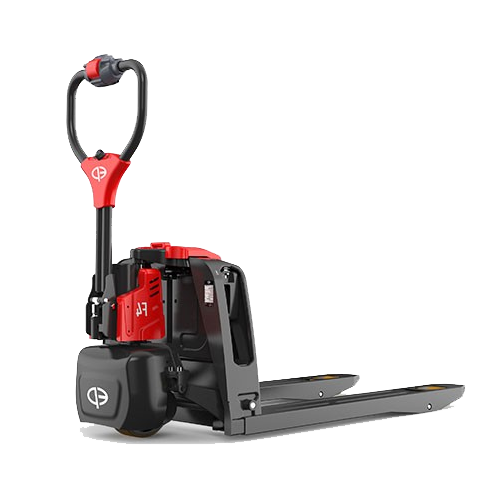
An electric pallet truck is powered material-handling equipment designed to lift a pallet slightly from the floor and transport it horizontally. Unlike a manual pallet jack, the electric drive system provides powered movement, reducing the physical effort required from the operator.
The forks are positioned beneath a compatible pallet and raised to a suitable transport height. The operator then controls the truck as the pallet is moved between locations. Different configurations are available for different operating requirements. Walk-behind models allow the operator to travel with the truck, while rider models are ideal for longer travel distances.
For example, the 1.5-ton Full Electric Pallet Truck/Jack EPT20-15ET has power lift and power drive, electric power steering, a 1,500 kg nominal load capacity and an internal charger. Its fork length is 1,150 mm, with a maximum lift height of 115 mm, making it a floor-level transport solution rather than equipment for placing pallets into high storage positions.
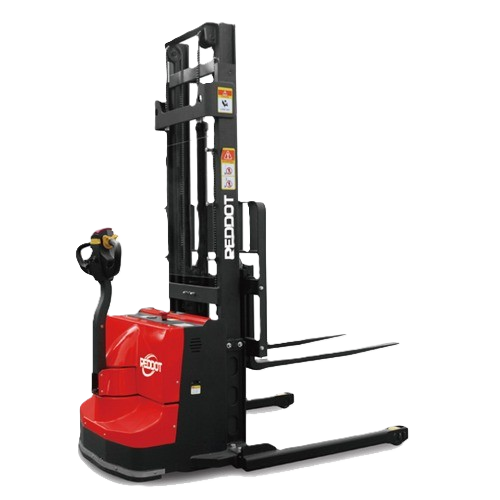
Where pallets need to be lifted onto racking or other elevated storage locations, an electric stacker or forklift is generally more appropriate.
How Electric Pallet Trucks Move Loads Efficiently
The main advantage of a motorised pallet truck is powered travel. Instead of requiring the operator to generate most of the force needed to move a loaded pallet, the truck’s system provides the movement.
This is particularly useful when the same task is repeated throughout a shift, especially for employees that need to move pallets from receiving to staging, from storage to picking areas, or from production to dispatch.
Powered travel can make these transfers more consistent and reduce the physical effort involved in repeated movement. However, equipment selection still needs to reflect the actual workflow.
Warehouse and Distribution Applications
Warehouses and distribution centres are among the most common environments for an electric pallet truck in Singapore. Pallets often have to move between several floor-level work areas without requiring the lifting height of a forklift or stacker.
Common applications include:
- Moving incoming pallets from receiving to staging areas
- Transferring palletised goods between storage and picking zones
- Repositioning pallets within floor-level storage areas
- Moving prepared orders towards packing or dispatch
- Supporting loading and unloading activities where the equipment and site conditions are suitable
A powered pallet truck can be useful where operators repeatedly travel longer internal routes rather than manually moving loaded pallets. For example, the CBD20KD-I electric walkie pallet truck, a 2,000 kg model with a low-profile chassis and small turning radius is specifically listed for narrow spaces such as small supermarkets and workshops, showing how truck configuration can be matched to tighter operating environments.
Supporting Repetitive Pallet Movement
Consider a warehouse where employees repeatedly transfer pallets between receiving, storage and dispatch. With a manual pallet truck, the operator has to provide the effort required to move each loaded pallet. With a powered pallet truck, the drive system handles the main travelling force while the operator controls the equipment.
This does not mean every workplace requires powered equipment. Where pallets are moved only occasionally over very short distances, a manual pallet truck may still be suitable.
For higher-frequency operations, however, travel distance and the number of pallet movements during a shift are useful factors when deciding whether an electric pallet truck fits the workflow.
Moving Supplies and Equipment in Hospitals
Hospitals and healthcare facilities have their own material-handling requirements. Supplies may arrive in bulk and then need to be transferred from receiving areas to stores, internal logistics areas or other designated locations.
An electric pallet truck can support these floor-level movements where palletised loads and suitable travel routes are available. Its compact format may also be preferable for routine internal transfers.
Furthermore, hospital logistics areas have narrower routes, shared access areas, and frequent movement by staff and other equipment. The selected truck therefore needs to match the available space and load requirements.
Applications in Manufacturing and Other Workplaces

Manufacturing facilities can use electric pallet trucks to move raw materials, components and finished goods between different stages of an operation. For example, palletised materials may travel from receiving to a production area, while completed goods may be transferred from production to temporary storage or dispatch.
These are primarily horizontal movements, making a powered pallet truck suitable where the load and route match the equipment’s specifications. Other workplaces, including stockrooms, distribution facilities and commercial operations, may have similar floor-level pallet handling requirements.
For longer internal routes, a rider configuration may be more practical. The STAXX RPT25 Rider Electric Pallet Truck, for example, has a 2,500 kg capacity and a stand-on driving configuration. It is listed for factories, warehouses and distribution centres and includes features such as electric power steering and a foldable platform.
Load Capacity and Pallet Requirements
Load capacity indicates the maximum load an electric pallet truck is designed to handle under specified operating conditions. The selected equipment should provide suitable capacity for the pallets regularly moved within the facility.
Businesses should assess actual pallet weights rather than relying on rough estimates. The weight of the goods and pallets together should be considered.
Pallet construction and dimensions are equally important because the truck’s forks need to enter and support the pallet correctly. A basic load assessment should consider:
Factor | What to Check |
Pallet weight | Normal and maximum loaded pallet weight |
Pallet dimensions | Width, length and fork-entry arrangement |
Load distribution | Whether goods are positioned evenly on the pallet |
Load condition | Whether the load is stable for transport |
Handling frequency | How often similar loads are moved |
Choosing equipment with the required rated capacity is important, but capacity alone does not establish suitability. Pallet compatibility and operating conditions should be reviewed at the same time.
Manoeuvrability and Operating Space
Available space can have a major effect on pallet handling. The truck needs enough room to travel, turn and position the pallet without obstructing surrounding operations. This is a particularly relevant factor in Singapore facilities where storage, production and logistics areas may need to make efficient use of limited floor space.
Before selecting a truck, businesses should measure:
- Aisle widths
- Doorway clearances
- Turning areas
- Staging zones
- The dimensions of the largest pallets handled
The CBD20KD-I, for instance, has a small turning radius and low-profile chassis for narrow-space applications. This makes its configuration ideal for compact operating areas, although the actual site should still be checked against the truck’s dimensions and the pallets being handled.
Selecting Walk-Behind or Rider Equipment
Walk-behind and rider pallet trucks serve different operating requirements. A walk-behind powered pallet truck allows the operator to control the equipment while walking alongside or behind it. This can suit shorter transfers, frequent positioning and operations where the truck needs to manoeuvre through several work areas.
A rider pallet truck provides a platform or designated operating position and can be useful for longer internal travel. The STAXX RPT25, for example, is a stand-on rider model with a 2,500 kg rated capacity, electric power steering and a foldable platform. It is positioned for industrial and commercial environments including warehouses, factories and distribution centres.
Ensure to reflect how far pallets travel and how frequently the truck is used, rather than simply selecting the most powerful model available.
Battery and Charging Requirements
Battery requirements should be considered alongside the facility’s operating schedule. A truck used for occasional pallet transfers may have different charging requirements from one operating throughout multiple shifts.
Travel distance, load weight and frequency of use can all affect how the battery is used during daily operations. The charging location also needs to be considered. Facilities should identify where the truck can be charged and whether the selected battery and charger arrangement fits the available operating schedule.
For example, the EPT20-15ET uses a GEL battery system and an internal charger, while models like the EPT-F4 has two lithium battery slots, allowing a single-battery configuration for lighter use or two batteries for heavier-duty applications.
Operator Controls and Safety
An electric pallet truck changes how an operator interacts with a load because powered travel controls the movement of the equipment. Operators should be familiar with the specific truck’s controls, operating instructions and load limitations. Travel speed, braking, steering and positioning all need to be controlled according to the environment.
The route itself also matters as floors should be suitable for the equipment, while obstructions and unnecessary congestion should be kept away from pallet travel paths. Operators should pay particular attention to:
- Maintaining clear visibility around the load
- Controlling travel speed for the environment
- Keeping people clear of the moving equipment and pallet
- Positioning the forks correctly before movement
- Following the equipment’s operating and load requirements
Workplace procedures should correspond with the specific truck configuration rather than assuming that all powered pallet equipment operates identically.
Planning Pallet Routes Before Selecting Equipment
A pallet route should be assessed before selecting an electric pallet truck. The equipment may perform well in an open warehouse but be less suitable once it reaches a narrow doorway, tight corner or restricted internal route.
- Map the complete journey of the pallet, including:
- Receiving and loading areas
- Storage locations
- Picking or production zones
- Doorways and corridors
- Dispatch areas
- Shared pedestrian routes
This can reveal requirements that are not obvious from the load capacity alone. For example, a distribution centre with longer travel distances may require a rider configuration, while a compact stockroom may place greater importance on a smaller turning radius and easy positioning.
Choosing the Right Electric Pallet Truck
Choosing the right electric pallet truck requires matching equipment characteristics with the facility’s loads, routes and frequency of pallet movement. A practical selection process should follow these steps:
- Review pallet loads: Establish typical and maximum weights and pallet dimensions.
- Measure travel routes: Check aisles, doorways, corners and manoeuvring areas.
- Assess movement frequency: Determine how often pallets are transported during normal operations.
- Consider travel distance: Identify whether movements are short transfers or longer internal journeys.
- Review battery requirements: Match expected usage with available charging arrangements.
- Consider operator configuration: Determine whether walk-behind or rider operation better suits the workflow.
This process helps distinguish between applications where an electric pallet truck is appropriate and those requiring different material-handling equipment.

When Other Material-Handling Equipment May Be Needed
An electric pallet truck is not intended to perform every pallet-handling task. Its main role is horizontal transport rather than lifting pallets to elevated storage positions.
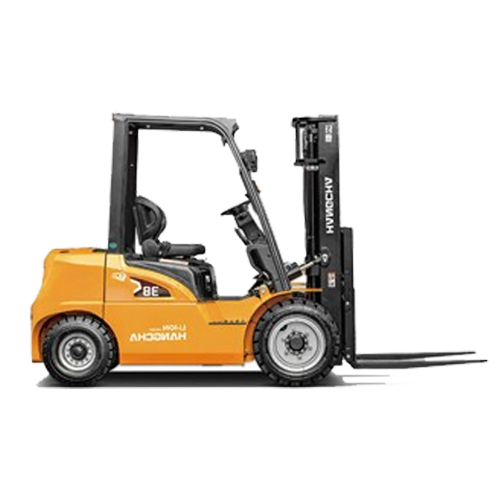
Where pallets need to be placed onto warehouse racking, an electric stacker or forklift may be required depending on load, lift height and operating conditions. A forklift may also be more appropriate where heavier loads, greater lifting heights or more complex handling operations are involved.
Using equipment according to its intended role can improve the overall material-handling workflow. A facility may use pallet trucks for horizontal transfers and separate lifting equipment for vertical storage.
The goal is to match each stage of the pallet journey with equipment suited to that particular task.
Frequently Asked Questions
What is the difference between an electric pallet truck and a manual pallet jack?
An electric pallet truck uses powered drive to assist or control horizontal movement, while a manual pallet jack relies substantially on the operator to move the load. Powered travel can be particularly useful for frequent or longer pallet transfers.
Can an electric pallet truck lift pallets onto warehouse racking?
An electric pallet truck is mainly designed to raise a pallet enough for horizontal transport rather than stack it at significant height. Electric stackers or forklifts are generally used when pallets need to be placed onto elevated storage levels.
Can electric pallet trucks be used outside warehouses?
Yes, depending on the equipment and operating conditions. Manufacturing facilities, hospitals, distribution operations, and other workplaces may use powered pallet trucks where suitable palletised loads need horizontal transport.
Is an electric pallet truck suitable for narrow spaces?
Some electric pallet trucks are compact and can operate in relatively restricted areas, but suitability depends on the truck, pallet dimensions and required turning space. The complete travel route should be assessed before equipment selection.
What should businesses check before choosing an electric pallet truck?
Businesses should review load weight, pallet compatibility, travel distance, movement frequency, manoeuvring space, battery requirements and operator needs. These factors help determine which equipment configuration fits the actual workflow.
Improving the Pallet Journey Across the Workplace
Effective pallet handling is not simply about moving a heavier load. It is about selecting equipment that fits the way pallets actually travel through a workplace.
For Singapore warehouses, distribution centres, manufacturing facilities and healthcare environments, an electric pallet truck can provide powered horizontal movement between receiving, storage, production and dispatch areas. Different configurations can also accommodate different operating patterns, from compact walk-behind applications to longer-distance rider operations.
The right choice depends on the complete route, load and working schedule. Reviewing these requirements before selecting equipment can help businesses identify a pallet truck that fits their day-to-day operations.
Enquire About an Electric Pallet Truck for Your Operation
Whether you need a compact walk-behind model for tighter areas or a rider pallet truck for longer internal travel, the equipment should match your actual loads, routes and operating requirements.
For enquiries about electric pallet trucks, contact with details such as your typical pallet weight, pallet dimensions, travel distance and workplace environment. Our team can help you review suitable material-handling options for your operation.


