

Moving pallets efficiently is a daily requirement for warehouses, manufacturing facilities and distribution centres in Singapore. From receiving and put-away to production supply and dispatch, the right material-handling equipment can determine how smoothly goods move through the facility.
A warehouse electric forklift combines powered travel with lifting and stacking capability, allowing operators to move suitable loads between floor level and elevated storage positions. Unlike equipment intended mainly for horizontal pallet movement, an electric forklift can support several stages of the same material flow.
For businesses in Singapore, choosing an electric forklift truck requires more than looking at lifting capacity. Aisle dimensions, rack height, pallet sizes, operating hours, battery requirements, floor conditions and traffic routes all influence which configuration is appropriate.
What Is an Electric Forklift?
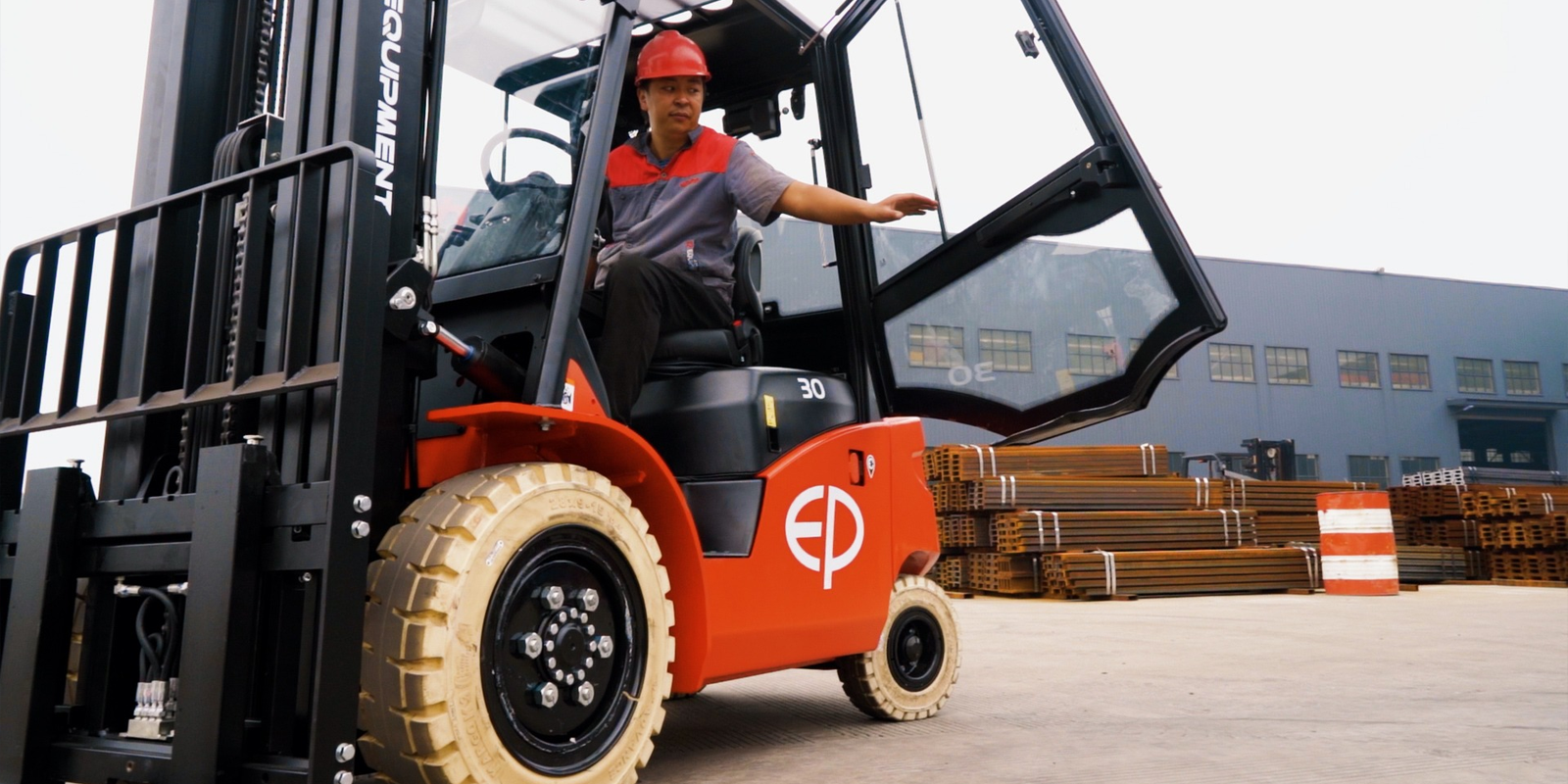
An electric fork truck is a battery-powered industrial truck designed to transport and lift suitable loads within warehouses, manufacturing facilities and other workplace environments. Depending on the configuration, an electric forklift may be used for pallet handling, rack storage, production material movement and dispatch operations.
Unlike a pallet truck, which is primarily designed to move pallets horizontally, a forklift can raise loads to elevated positions. Especially in warehouses, electric forklifts are particularly useful where goods need to be transferred between receiving areas, storage locations and higher-level racking.
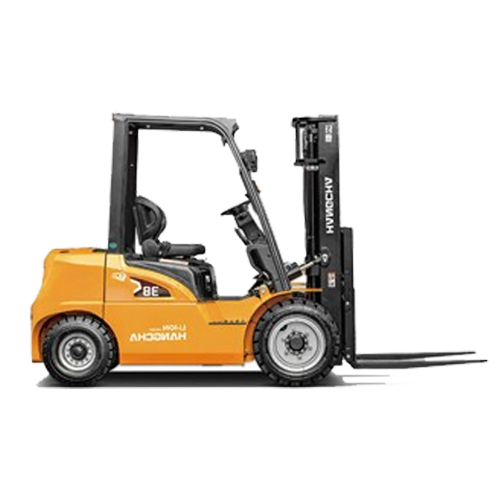
They can cover several truck configurations. For example, the 1.3–2.0-ton Hangcha A Series three-wheel model is designed with a small turning radius for narrow-aisle applications, while the 1.0–3.5-ton four-wheel A Series is available in both lithium battery and lead-acid versions.
The correct choice therefore depends on the actual application rather than assuming every electric forklift provides the same capacity, dimensions or manoeuvrability.
How Electric Forklifts Support Material Flow
Electric forklifts support material flow by connecting different stages of handling that require both transport and lifting. They can reduce the need to transfer a load between several pieces of equipment when the same forklift can collect, move and position it.
A typical pallet journey may begin at receiving before continuing to storage, picking or production. The forklift can move the pallet horizontally and then raise it to the required storage or handling position.
This capability is particularly useful where material movement follows a repeatable workflow. However, the forklift itself does not create an efficient material flow. Routes, storage layouts, staging areas and operating procedures still need to be organised around how goods move through the facility.
The equipment should therefore be selected as part of the material-handling process rather than treated as an isolated warehouse asset.
Warehouse Material Handling
Warehouse material handling covers receiving, moving, storing, retrieving and dispatching goods. An electric forklift can support several of these activities when the load, storage system and working environment fall within its rated capabilities.
A forklift may collect suitable palletised goods and move them towards inspection or staging. It can then transport the goods to storage and place them onto compatible racking.
For warehouses with tighter aisles, truck dimensions should also be considered. For example, the 1.3–2.0-ton Hangcha A Series three-wheel electric forklift uses front dual drive motors and has a small turning radius suited to narrow aisles. It has capacities from 1.3 to 2.0 tonnes and is powered by lithium batteries.
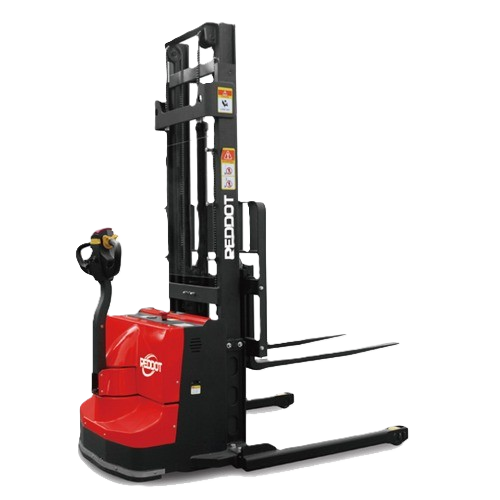
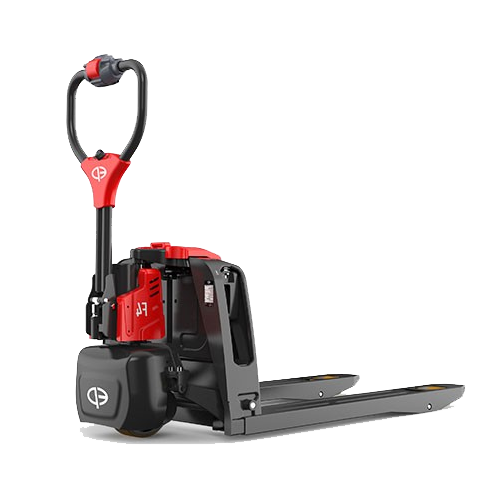
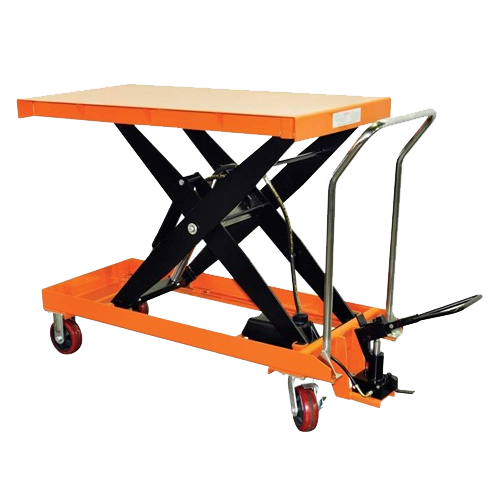
Not every warehouse movement requires a forklift. Short floor-level transfers may be better suited to pallet trucks, while certain lifting applications can be handled by electric stackers. Matching each task to the appropriate equipment helps prevent a forklift from being used where its lifting capability is unnecessary.
Receiving and Put-Away Operations
Receiving and put-away involve moving incoming goods from the delivery area to their assigned warehouse locations. An electric forklift can support this process when pallets need to be transported and subsequently lifted into storage.
The incoming load should first be assessed. Pallet condition, dimensions, weight and load stability need to be suitable for the selected equipment. Once received, goods may move through inspection or staging before being placed into storage.
A forklift with the appropriate capacity and lift height can then transport the pallet and position it at the required rack location. Efficient receiving also depends on having adequate staging space.
Warehouse planning should therefore consider the complete route from the receiving point to the final storage position, including doorways, intersections and rack approaches.
Manufacturing Facility Applications
Electric forklifts can support manufacturing operations by moving raw materials, components, work-in-progress and finished goods between production and storage areas. The handling requirement often extends beyond conventional warehouse racking.
Raw materials may need to travel from receiving to storage and later to production. Finished products may follow the reverse route towards staging and dispatch. An electric forklift truck can support these transfers where the load type and operating conditions are appropriate.
Manufacturing environments can also contain machinery, workstations and restricted access areas. These features influence the space available for forklift movement.
The selected forklift should therefore match both the loads and the production layout. A model suitable for an open warehouse may not necessarily be appropriate for a manufacturing floor with tighter movement areas.
Supporting Production Material Supply
Production material supply requires materials to reach the correct work area without unnecessarily disrupting manufacturing activities. Electric forklifts can support this process where materials are palletised or otherwise suitable for forklift handling.
The required frequency varies between facilities. Some production lines require regular replenishment of components, while others may receive larger quantities at less frequent intervals.
Forklift routes should be planned so that material deliveries do not unnecessarily conflict with pedestrian movement, machinery or other operational activities. Staging locations can also help separate material delivery from active production areas. A forklift can transfer materials to a designated staging point, after which the production team can manage the next stage of supply.
Distribution and Logistics Operations
Distribution and logistics operations often involve frequent movement between receiving, storage, order preparation and dispatch. Electric forklifts can support these processes where loads require both horizontal transport and vertical handling.
A distribution centre may process a high number of pallet movements during a working period. Equipment availability, travel routes and storage configuration therefore become important to maintaining consistent material flow. Forklifts may place incoming goods into storage, retrieve full pallets for orders, and transfer outbound loads towards dispatch staging.
For facilities handling long or unusual loads, fork trucks such as the MIMA MQ electric multi-directional forklift are an ideal choice. With 1.5–2.5-ton capacity and 3–8m lift height, its multi-direction travel is designed for applications involving long materials such as metal profiles, rebar, wood and steel pipes, particularly in very narrow aisles.
Where large amounts of horizontal movement occur without lifting, other powered equipment can complement the forklift fleet. Using different equipment categories for different handling tasks can make the overall operation more practical.
Handling Pallets and Stored Goods

Electric forklifts can handle compatible pallets and stored goods when the load remains within the truck’s rated conditions. Weight alone is not sufficient to determine whether a particular load can be handled.
Load dimensions and weight distribution affect how the forklift behaves. Long, irregular or unevenly loaded goods can create different requirements from a standard, evenly distributed pallet. Before handling a load, relevant factors include:
- Total load and pallet weight
- Pallet dimensions and fork-entry arrangement
- Load distribution and stability
- Required lifting height
- Any attachment used with the forklift
These factors should be compared with the applicable rated information for the selected forklift configuration.
Load Capacity and Lift Height
Load capacity and lift height need to be evaluated together. A forklift’s nominal capacity does not necessarily remain the same at every lift height or load centre. Warehouses should first identify the heaviest loads the forklift will normally handle.
The highest required storage position should then be established based on the actual racking system. Load centre is also important because the dimensions and position of the load influence the forces acting on the forklift.
For example, the Hangcha XE Series electric lithium forklift range covers 1.5 to 3.8 tonnes, while the EP EFX252/302 lithium counterbalance forklift is rated at 2.5 or 3.0 tonnes and uses an 80V/150Ah removable lithium-ion battery as standard. These specifications illustrate why the model needs to be matched to the actual load and operating conditions rather than selected solely because it is an electric forklift.
Aisle Width and Manoeuvrability
Aisle width and manoeuvrability determine whether an electric forklift can access, turn and position loads effectively within the warehouse. These factors can be as important as lifting capacity.
The required operating space includes more than the width of the forklift. Pallet dimensions, turning movement, and the approach needed for rack positioning must also be considered.
A practical assessment should consider:
Layout Factor | Why It Matters |
Aisle width | Determines available turning and stacking space |
Pallet dimensions | Changes the overall operating envelope |
Rack position | Influences approach and load placement |
Doorways | Can restrict movement between warehouse zones |
Intersections | Require visibility and adequate turning space |
Staging areas | Need room for positioning and temporary loads |
Selecting equipment that physically fits the warehouse helps reduce unnecessary manoeuvring and repeated positioning adjustments.
Battery Options and Charging
Battery selection directly affects how an electric forklift fits into the operating schedule. Warehouses and manufacturing facilities in Singapore should consider operating hours, number of shifts, charging opportunities and the space available for charging.
Some electric forklift models use lithium-ion batteries while others, use lead-acid battery systems. The Hangcha A Series four-wheel electric forklift, for example, is available in both lead-acid and lithium battery versions.
Lithium-ion options can also provide operational features suited to facilities where charging flexibility is important. The EP EFX252/302 2.5/3.0-ton lithium counterbalance forklift uses a removable 80V/150Ah lithium-ion battery and is designed to support opportunity charging and battery replacement where required.
Battery planning should therefore look beyond the battery type itself. Businesses should consider how long the forklift needs to remain available, when charging can take place and whether the selected charging arrangement fits the facility.
Matching Forklift Use to Different Operational Zones
Different areas of the same facility can place different demands on an electric forklift. A receiving area may provide relatively open manoeuvring space, while storage aisles may be more restrictive.
A forklift needs to function effectively in every area where it is expected to operate. If one section has substantially different requirements, another category of material-handling equipment may be more appropriate.
For example, a four-wheel counterbalance forklift may be appropriate for certain heavier-load applications, while a three-wheel electric forklift can be considered where turning space is more restricted. The choice should be based on the actual routes, loads and operating conditions within the facility.
Safety Considerations
Safe electric forklift operation depends on suitable equipment, trained operators, stable loads and effective traffic management. The choice of an electric truck does not remove the need for proper workplace controls.
Singapore’s Ministry of Manpower states that all forklift operators must attend the WSQ Operate Forklift Course. MOM has also announced that, from 1 January 2027, forklift operators will be required to attend refresher training at least once every three years.
The Workplace Safety and Health Council also recommends pre-operation checks covering items such as controls and steering, tyres, brakes, lighting, mirrors and the reverse warning buzzer. Employers should ensure that the appropriate forklift is selected, maintained and operated by authorised and trained personnel, with routes demarcated for safe movement.
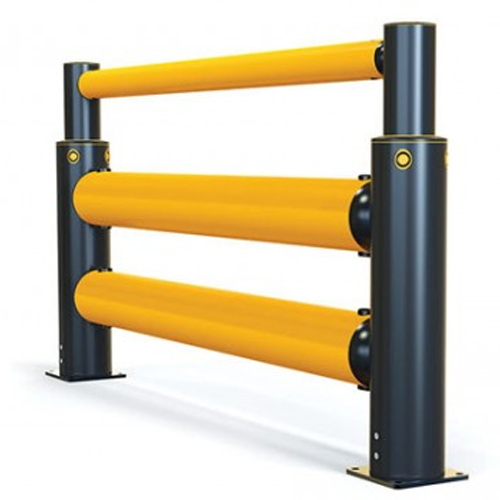
Vehicle and pedestrian interaction requires particular attention. Warehouses and manufacturing sites can use designated routes, markings and physical segregation where appropriate. Visibility should also be considered at intersections, corners and whenever the load restricts the operator’s normal line of sight.
Choosing an Electric Forklift for Your Operation
Choosing an electric forklift requires matching the truck to the tasks it will perform most frequently. Businesses should begin with their loads, storage requirements and working environment before comparing individual forklift models.
A practical selection process can include:
- Document load requirements: Record typical and maximum load weights and dimensions.
- Identify lift requirements: Establish the highest positions the forklift must service.
- Measure operating areas: Review aisles, doorways, intersections and turning spaces.
- Map material flow: Identify receiving, storage, production and dispatch routes.
- Assess operating frequency: Determine how intensively the forklift will be used.
- Plan battery requirements: Match charging arrangements with the operating schedule.
This information provides a clearer basis for equipment selection than choosing a forklift according to capacity alone.
Frequently Asked Questions
What is a warehouse electric forklift used for?
A warehouse electric forklift is used to transport, lift, stack and retrieve compatible loads. Common applications include receiving, put-away, stock movement, production supply and dispatch operations.
Are electric forklifts suitable for manufacturing facilities?
They can be suitable where the forklift’s load capacity, dimensions and operating characteristics match the manufacturing environment. Routes around machinery, work areas and pedestrian zones should be assessed before selection.
Can an electric forklift be used in a distribution centre?
Yes. Electric forklifts can support receiving, storage, order preparation and dispatch where loads require both horizontal transport and vertical handling.
What determines the right forklift capacity?
The required capacity depends on load weight, dimensions, load centre, lift height, attachments and other rated operating conditions. Nominal capacity should not be considered in isolation.
What warehouse measurements are useful when choosing a forklift?
Useful measurements include aisle width, doorway dimensions, required lift height, rack layout and turning areas. Pallet dimensions should also be included because the load affects the truck’s operating space.
Connecting Receiving, Storage and Dispatch More Effectively
Electric forklifts can support material handling across several stages of warehouse, manufacturing and distribution operations. Their ability to combine horizontal transport with vertical lifting makes them particularly relevant where goods need to move between receiving areas, storage positions, production zones and dispatch.
Effective forklift selection depends on more than choosing an appropriate load capacity. Storage height, aisle dimensions, load characteristics, material flow and battery requirements determine how well the equipment fits the operation.
For facilities in Singapore, assessing these requirements together helps identify where an electric forklift can support the workflow and where pallet trucks, stackers or other material-handling equipment may be better suited to specific tasks.
Request an Electric Forklift Recommendation for Your Facility
Choosing a forklift starts with understanding the work it needs to perform. Typical load weights, pallet dimensions, required lift height, aisle width, operating hours and main travel routes give a clearer picture of the equipment required than capacity alone.
Contact Tysen Technologies with your requirements. Our team can review the application details and recommend suitable equipment options for your material-handling operation.


