

A 1.5 ton electric forklift is designed to handle loads within its rated capacity under specified operating conditions. For warehouses in Singapore, this can make it suitable for palletised goods, stock movement, receiving and selected racking applications.
However, a 1.5-ton rating does not mean the forklift can safely lift any 1,500 kg load in every situation. Actual capacity depends on factors including load centre, lift height, mast configuration and any attachments fitted to the truck. These considerations become increasingly important when pallets are being raised onto warehouse racking.
For an electric forklift 1.5 ton model, businesses should assess the loads, storage system, aisle dimensions and operating requirements together rather than selecting equipment based on capacity alone.
What Does a 1.5-Ton Capacity Mean?
A 1.5-ton forklift capacity generally refers to a rated load of 1,500 kg under the conditions specified by the manufacturer. It provides a starting point when comparing equipment, but it does not describe every lifting condition.
The load centre is particularly important. A forklift rated at 1,500 kg at a specified load centre may have a different allowable capacity when the load extends further forward or when other operating conditions change.
Lift height can also affect the available capacity depending on the forklift configuration. Attachments, mast type and other equipment specifications should be taken into account when assessing the actual load that the truck can handle.
The data plate and manufacturer’s load chart provide the applicable information for the selected configuration. A warehouse should therefore avoid assuming that the nominal 1.5-ton capacity applies regardless of load dimensions, height or equipment setup.
Understanding Load Centre
Load centre describes the horizontal distance used when determining how a load acts on the forklift. It is important because the position of the load affects the forces acting on the truck.
Two pallets can have the same total weight but create different handling conditions if their dimensions or weight distribution differ. A deeper load, for example, can position its centre of gravity further away from the fork face.
As the effective load centre moves outward, the available capacity for that particular lifting condition may decrease. This means warehouse operators need to consider both the weight and dimensions of the load.
Irregularly shaped goods require additional attention because their centre of gravity may not be positioned where it would be on a uniformly loaded pallet.
Typical Warehouse Loads
A 1.5 ton electric forklift can handle many common warehouse loads when their weight, dimensions and load centre remain within the truck’s rated conditions. These may include palletised cartons, packaged products, components and other stable unit loads.
Rather than categorising a load simply by the type of product, your warehouse should establish its actual handling characteristics. A useful load review includes:
Load Factor | What the Warehouse Should Check |
Total weight | Weight of the goods, pallet and relevant load components |
Dimensions | Width, depth and overall size |
Weight distribution | Whether the load is balanced or uneven |
Pallet condition | Whether the pallet can support safe handling |
Load centre | How the load position relates to rated capacity |
Required height | Where the load needs to be placed |
This information gives a more accurate basis for choosing a warehouse forklift than relying only on an assumed average pallet weight.
Indoor Handling Applications
A 1.5 ton electric forklift is suited to indoor handling tasks where the same vehicle needs to transport loads and raise them for storage or positioning. This can include receiving palletised goods, moving stock between staging areas and storage locations, replenishing inventory and retrieving pallets from suitable racking.
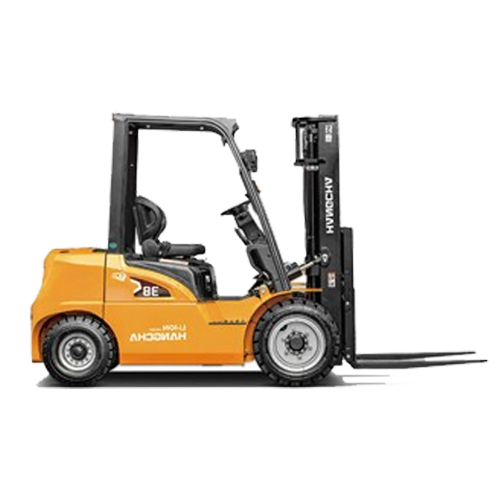
The EP JF5, for example, is an electric four-wheel forklift available in a 1.5-ton model. The CPD15FJ5 has a nominal load capacity of 1,500 kg at a 500 mm load centre and a specified nominal capacity at a 3,000 mm lifting height. Its listed lift-height range is 3,000 to 6,000 mm, with a 48V lead-acid battery and AC drive and lift motors.
For a Singapore warehouse handling palletised goods, specifications such as these provide a more useful reference than the phrase “1.5-ton forklift” alone. The required load centre, lifting height, aisle dimensions and operating frequency still need to be checked against the actual site.
Handling Pallets at Floor Level
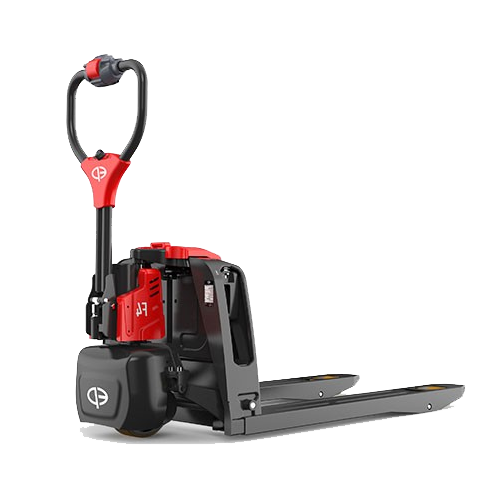
A 1.5 ton forklift can move suitable palletised loads at floor level, but a forklift is not necessarily required for every horizontal pallet movement. If a facility only needs to move pallets across short distances without significant vertical lifting, a pallet truck may provide a more suitable solution.
Forklifts become more relevant when the same equipment needs to collect a pallet, transport it through the warehouse and subsequently raise it for storage or another handling task. For example, a forklift may collect a pallet from a receiving area, travel through the warehouse and position it on a suitable racking level. This combines horizontal transport with vertical handling.
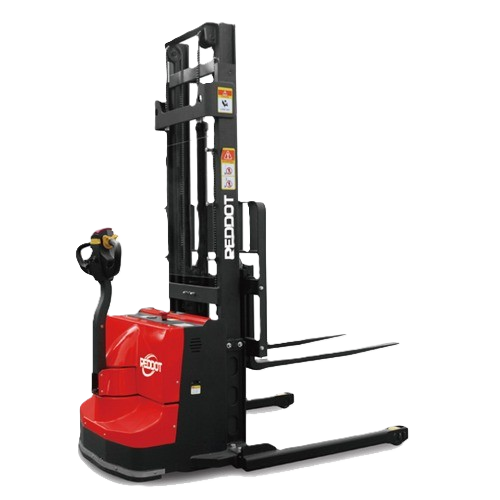
The available operating space must still accommodate the truck, load and required manoeuvring movements. A warehouse should therefore assess the complete material-handling task before choosing between a forklift, stacker or pallet truck.
Lift Height Requirements
Lift height determines whether the forklift can place and retrieve pallets at the storage levels used by the warehouse. The required height should be established from the actual racking system rather than from the warehouse’s approximate ceiling height.
For higher or more demanding storage applications, the available capacity at the required height should be checked against the manufacturer’s specifications. The mast must also provide sufficient clearance for the building and storage system.
For example, the EP JF5 1.5-ton model has a lift-height range of 3,000 to 6,000 mm. A forklift should therefore be selected according to the highest pallet position it needs to service, not simply its maximum advertised lift height.
Mast Configuration
The mast is the vertical assembly that raises and lowers the forklift carriage and forks. Its configuration affects lift height, overall dimensions and how the forklift operates within the warehouse.
Different warehouses can require different mast arrangements. A facility with relatively low storage may not require the same configuration as a warehouse using higher racking.
Overhead clearance is another consideration. Doorways, beams, ceilings and other structures can restrict the available height as the forklift moves or lifts. Businesses should therefore evaluate both maximum required lift height and the physical restrictions the forklift encounters throughout its operating route.
The correct mast configuration should allow the truck to reach required storage levels while remaining suitable for the warehouse’s clearance conditions.
Aisle and Turning Requirements
Aisle and turning requirements determine whether a 1.5 ton electric forklift can operate effectively within the warehouse. Capacity alone does not establish whether a truck will fit a particular storage layout.
The forklift needs enough space to approach the rack, turn with its load and position the pallet accurately. Pallet dimensions can also increase the required operating envelope, particularly when larger or longer loads are handled.
Warehouse assessment should therefore consider:
- Clear aisle width
- Pallet and load dimensions
- Turning and positioning space
- Rack orientation
- Doorway and access dimensions
- Interaction with pedestrians and other vehicles
The relevant measurements should be compared with the requirements of the specific forklift model under consideration.
Using a 1.5-Ton Forklift Around Warehouse Racking

A forklift operating around warehouse racking must have sufficient manoeuvring space to approach, lift and position pallets without relying on unnecessary corrections. Rack dimensions and aisle layout therefore influence forklift selection.
Operators need to align the forks correctly with pallet openings and storage positions. Limited space can make this process more difficult, particularly where turning and approach movements overlap.
Lift height should correspond with the highest rack level that needs to be served. Load dimensions must also fit the available storage position.
The forklift should not be selected independently from the racking system. Truck dimensions, pallet sizes, aisle widths and storage heights form part of the same material-handling arrangement.
Where operating space is particularly restricted, another forklift or stacker configuration may be more suitable than a conventional truck.
Battery Options
Battery selection affects how an electric forklift fits into the warehouse’s operating schedule. The appropriate battery arrangement depends on operating hours, workload and available charging opportunities.
The Hangcha AE Series, for example, is available in capacities from 1.5 to 3.5 tons and with lead-acid or lithium battery options. Its listed configuration also includes features such as speed mode selection, emergency power-off and load-sensing steering.
For a warehouse considering an electric forklift 1.5 ton configuration, battery selection should be based on the actual operating pattern. A truck used intermittently may have different requirements from one operating repeatedly throughout a longer shift.
Facilities should also consider when charging can take place without interrupting material movement. Battery technology, charger requirements and the manufacturer’s recommendations should be reviewed as part of the equipment-selection process.
The objective is to match the forklift’s available operating time and charging arrangement with the warehouse’s actual workload.
Electric Forklifts in Indoor Warehouse Environments
Electric forklifts are commonly used for indoor material handling, and our current range includes both three-wheel and four-wheel electric forklift configurations, with capacities ranging from 1.0 to 3.8 tons. The range includes models intended for applications such as warehouse lifting and movement, with different configurations suited to different operating spaces.
For Singapore warehouses, the choice between models should be based on the working environment rather than simply choosing the smallest or largest available capacity.
Floor condition, aisle dimensions, racking, columns, staging areas and pedestrian routes can all affect forklift suitability. The warehouse should also consider how the truck will interact with pallet trucks, other material-handling equipment and workers moving through the same areas.
An electric forklift can be suitable for indoor applications, but its battery, dimensions, turning requirements, lift height and rated capacity should all correspond with the facility’s actual operating conditions.
Operator Safety
Safe forklift operation depends on trained operators, suitable equipment, appropriate loads and a workplace arranged for vehicle movement. The forklift’s rated capacity and operating requirements should always be followed.
Operators should confirm that loads are stable before transport and lifting. Forks need to be positioned appropriately under the pallet, and loads should remain within the applicable rated conditions.
Visibility also needs consideration. Large loads can restrict the operator’s view and affect how the forklift travels through the warehouse.
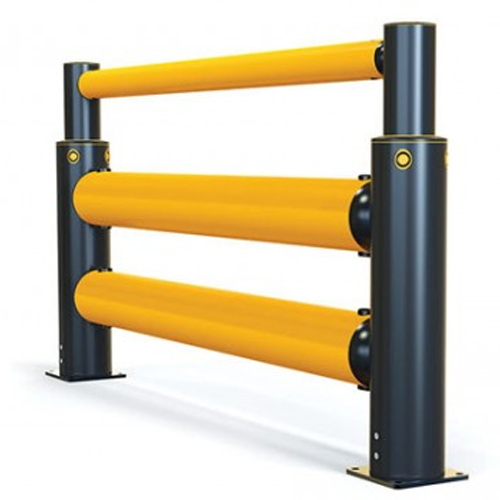
Facilities should maintain clear traffic routes and manage interaction between forklifts and pedestrians. Signs, markings, physical segregation and workplace procedures may form part of this approach.
Safety features on the forklift support operation, but they do not replace operator training or site-specific traffic management.
When a 1.5-Ton Forklift Is Appropriate

A 1.5 ton electric forklift is appropriate when the warehouse’s normal loads, lifting heights and operating conditions fall within the rated capabilities of the selected model. It can be particularly useful where pallet transport and vertical stacking are both regular requirements.
A practical suitability assessment should answer the following questions:
- What are the typical and maximum pallet weights?
- What are the dimensions and load centres of those pallets?
- What is the highest required storage position?
- How wide are the working aisles and turning areas?
- How frequently will the forklift operate?
- What charging arrangements are available?
These answers can then be compared with the forklift’s capacity information, mast options, dimensions and battery configuration. A 1.5-ton rating should be treated as one selection parameter rather than the sole reason for choosing the truck.
Frequently Asked Questions
Can a 1.5 ton forklift always lift exactly 1,500 kg?
Not necessarily under every condition. The nominal rating applies under specified conditions, while factors such as load centre, lift height, mast configuration and attachments can affect available capacity. The manufacturer’s rated capacity information should be followed.
What type of loads can a 1.5 ton electric forklift handle?
It can handle suitable palletised and other compatible loads within its rated capacity and operating conditions. Actual load weight, dimensions, distribution and required lift height should be checked.
Is a 1.5 ton electric forklift suitable for warehouse racking?
It can be suitable if its lift height, capacity at the required height and mast configuration correspond with the racking system. Aisle and turning requirements must also be considered.
Is a 1.5 ton forklift suitable for narrow warehouse aisles?
Suitability depends on the specific forklift dimensions, pallet size and available aisle width. The required turning and stacking space should be checked against the warehouse layout.
What information is needed when selecting a warehouse forklift?
Useful information includes maximum load weight, pallet dimensions, required lift height, aisle width, operating hours and charging arrangements. These details provide a more complete basis for forklift selection than capacity alone.
Capacity Is Only One Part of Forklift Selection
A 1.5 ton electric forklift can handle many routine warehouse loads, but its rated capacity alone does not determine whether it is suitable for a particular operation. Load centre, pallet dimensions, lift height, and mast configuration can all influence the truck’s actual lifting capability.
For warehouses in Singapore, the most useful starting point is the actual handling requirement: what needs to be moved, how much it weighs, how high it needs to be stored and how much space the forklift has to operate.
Matching these requirements with the appropriate electric forklift truck configuration can help businesses select equipment based on the work it needs to perform rather than its nominal tonnage alone.
Enquire With Your Load and Warehouse Specifications
A forklift enquiry is more useful when it includes the operating information that determines equipment suitability. Businesses should prepare their typical and maximum load weights, pallet dimensions, load centre, highest required lift height, and aisle width before discussing their requirements.
For enquiries about a 1.5 ton electric forklift or another warehouse forklift configuration, contact Tysen Technologies. Our team will review the available forklift options against the actual loads, storage heights and working space in your facility.


