

From commercial buildings and industrial facilities to residential estates and public car parks, bollards play a vital role in traffic control and property protection. Often overlooked, these fixtures are a key part of any effective car park barrier system, guiding vehicles, preventing collisions, and safeguarding pedestrians.
As car park and access control solutions evolve, businesses are increasingly faced with a choice between traditional metal bollards and modern polymer-based alternatives. While both serve similar purposes, their performance, durability, and long-term value can differ significantly depending on the environment.
So which option is better? The answer depends on how and where the bollards will be used.
The Role of Bollards in Modern Car Parks
Bollards act as both physical and visual deterrents. In car parks, they:
- Prevent unauthorised vehicle access
- Protect building structures and equipment
- Guide traffic flow and parking behaviour
- Enhance pedestrian safety
As part of a wider car park barrier strategy, bollards help maintain order in high-traffic environments where space, safety, and visibility are critical.
Understanding Metal Bollards
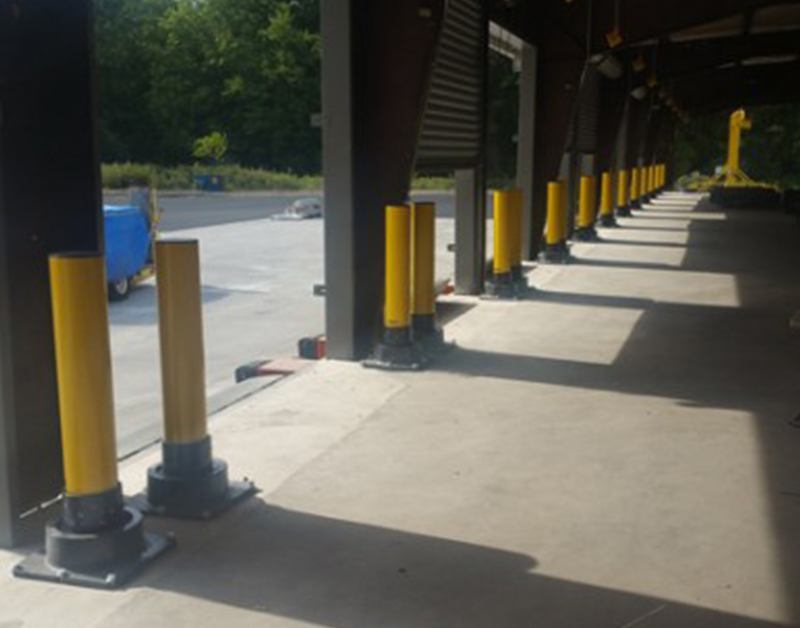
Metal bollards—typically made from steel or stainless steel—have long been the standard choice for traffic management and security applications.
Advantages of Metal Bollards
High Impact Resistance
Metal bollards offer excellent strength and are capable of withstanding high-impact collisions. This makes them suitable for high-risk areas where vehicle intrusion must be prevented.
Security and Permanence
Their solid construction provides a strong psychological deterrent, making them ideal for sensitive or restricted locations.
Traditional Aesthetic
Metal bollards are often chosen for environments where a robust, industrial appearance is preferred.
Limitations of Metal Bollards
Despite their strength, metal bollards come with certain drawbacks:
- Damage from impact is often permanent
- Repairs and replacements can be costly
- Corrosion may occur in humid or coastal environments
- Higher risk of vehicle damage upon collision
In busy car parks, repeated minor impacts can quickly turn metal bollards into a maintenance concern.
The Rise of Polymer-Based Bollards
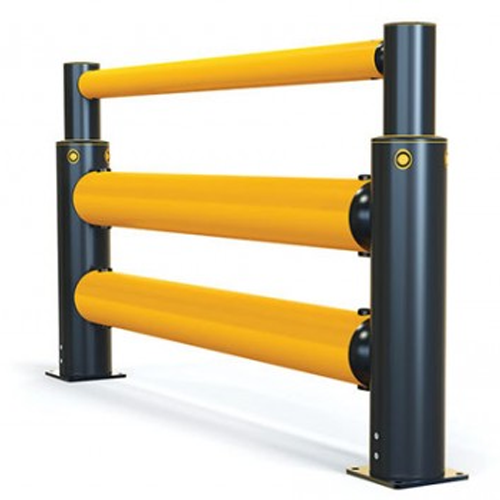
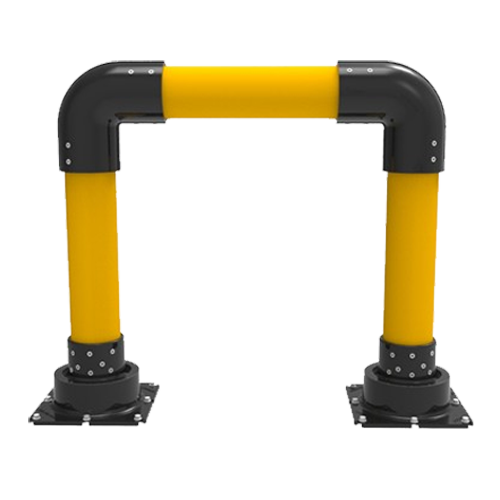
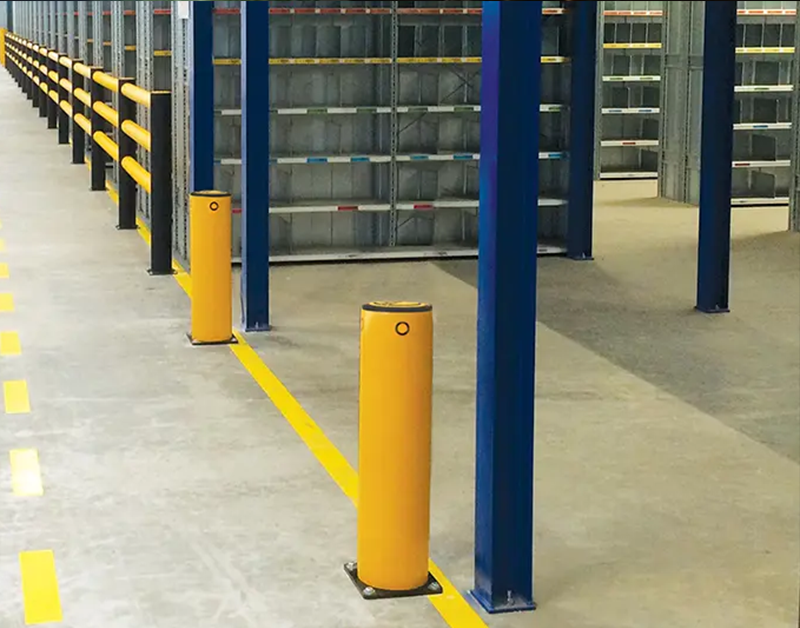
Polymer-based bollards are engineered using advanced plastics and composite materials. Designed to absorb impact and return to their original shape, these bollards are gaining popularity in modern parking and traffic management systems.
Advantages of Polymer Bollards
Impact Absorption and Flexibility
Unlike rigid metal options, polymer bollards flex upon impact and rebound without permanent damage. This significantly reduces repair costs and downtime.
Lower Maintenance Requirements
Polymer materials are resistant to corrosion, rust, and weather-related degradation, making them ideal for outdoor car parks.
Improved Vehicle Protection
In the event of contact, polymer bollards minimise damage to vehicles—an important consideration in customer-facing environments.
High Visibility
Polymer bollards are often available in bright colours or reflective finishes, enhancing visibility and safety in low-light conditions.
Comparing Performance in Car Park Environments
Durability Over Time
Metal bollards excel in high-security applications but may require more frequent replacement in areas with repeated low-speed impacts. Polymer bollards, by contrast, are designed specifically for these environments and often outlast metal alternatives in car parks.
Cost Efficiency
While metal bollards may appear cost-effective initially, polymer bollards often offer better long-term value due to reduced maintenance and replacement costs.
Safety Considerations
Polymer bollards reduce injury risk for pedestrians and minimise damage to vehicles, making them well-suited to public and commercial car parks.
How Bollards Fit Into Material Handling Equipment Strategies
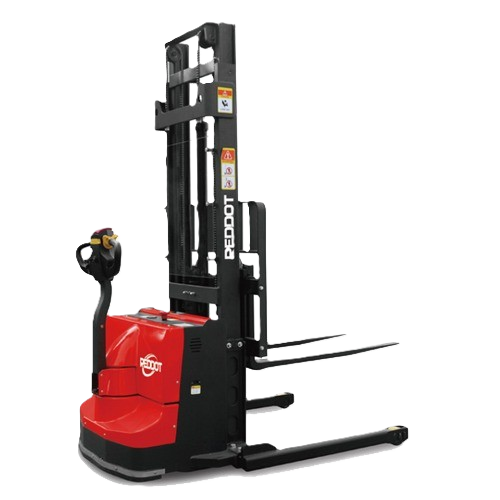
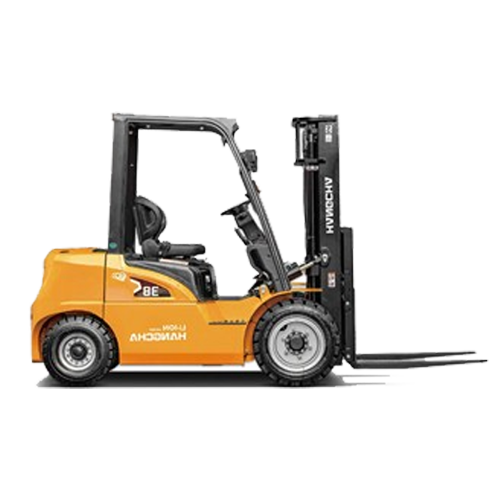
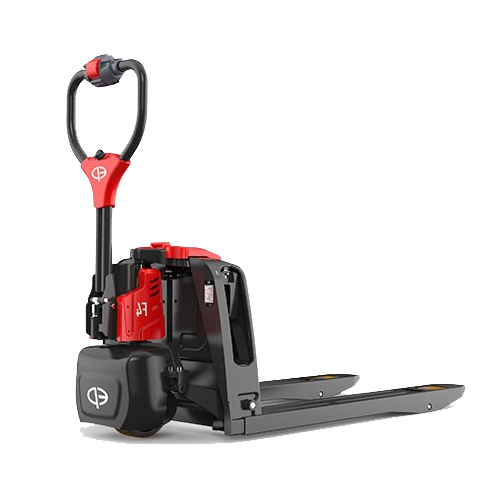
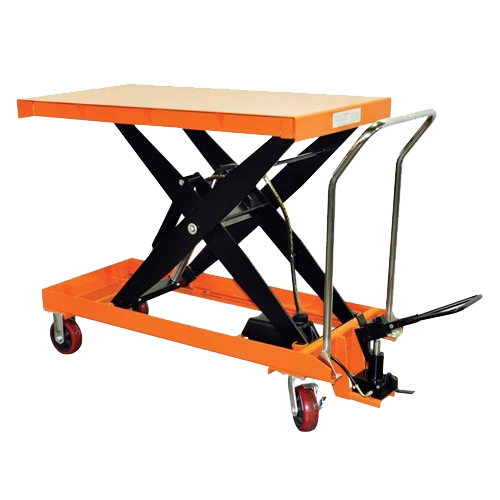
Although often associated with traffic control, bollards are an important part of wider material handling equipment planning. In warehouses, loading bays, and mixed-use facilities, bollards:
- Protect equipment and infrastructure
- Separate vehicle and pedestrian zones
- Support safe movement of forklifts and pallet trucks
By integrating bollards into facility layouts, businesses improve safety while preserving operational efficiency.
When Metal Bollards Are the Better Choice
Metal bollards remain the preferred option in scenarios where:
- High-impact vehicle intrusion is a concern
- Security outweighs flexibility
- Bollards serve as permanent structural barriers
Examples include high-security facilities, restricted access points, and areas requiring certified impact ratings.
When Polymer Bollards Offer Clear Advantages
Polymer bollards are particularly effective in:
- Commercial car parks
- Retail environments
- Residential estates
- Warehouses with frequent vehicle movement
Their flexibility, visibility, and low maintenance requirements make them ideal for environments where minor impacts are common and aesthetics matter.
Complementary Solutions: Wheel Stoppers and Barriers
Bollards work best when combined with other parking safety solutions. Wheel stopper systems help define parking boundaries and prevent vehicles from rolling into walls or pedestrian walkways.
Together, bollards, wheel stoppers, and barriers form a cohesive car park barrier system that enhances safety, organisation, and durability.
Choosing the Right Solution for Your Facility
Selecting between metal and polymer bollards should be based on:
- Traffic volume and vehicle types
- Risk of impact and collision frequency
- Environmental exposure
- Maintenance capabilities
- Overall safety strategy
Rather than focusing on material alone, it is essential to consider how bollards integrate into the broader traffic and facility management plan.
Why Quality and Expertise Matter
Not all bollards are created equal. Design, installation quality, and material specifications significantly affect performance. Working with experienced providers ensures the selected solution meets safety standards and operational requirements.
Tysen Technologies supplies a wide range of traffic, parking, and car park barrier solutions tailored to real-world conditions.
Frequently Asked Questions (FAQ)
Are polymer bollards strong enough for car parks?
Yes. Polymer bollards are specifically engineered to handle repeated low-speed impacts common in car parks.
Do metal bollards require more maintenance?
In outdoor environments, metal bollards may require corrosion treatment or replacement over time.
Can bollards reduce vehicle damage?
Flexible polymer bollards significantly reduce vehicle damage compared to rigid metal options.
Are bollards part of material handling equipment planning?
Yes. Bollards help protect equipment, infrastructure, and personnel in operational environments.
Can bollards be combined with wheel stoppers?
Absolutely. Combining bollards with wheel stoppers enhances safety and traffic control.
Function Over Tradition
The choice between metal and polymer-based bollards is no longer about tradition—it is about performance, safety, and long-term value. While metal bollards remain essential for high-security applications, polymer bollards offer unmatched flexibility and durability for modern car park environments.
For businesses seeking a reliable and cost-effective car park barrier solution, understanding these differences ensures smarter investment decisions.
Enhance Parking Safety with Tysen Technologies
Tysen Technologies offers comprehensive traffic and parking solutions designed for durability, safety, and efficiency. From bollards to complete car park systems, their expertise supports smarter infrastructure planning.


