
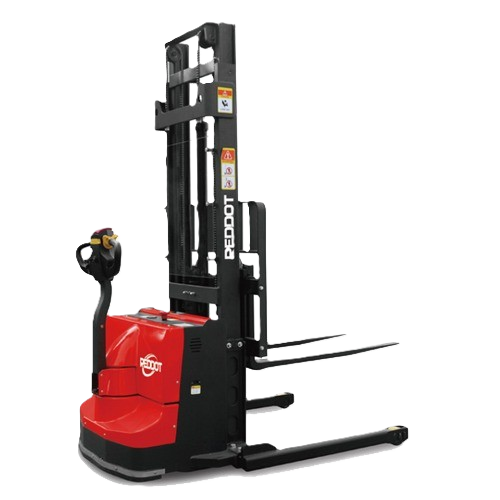
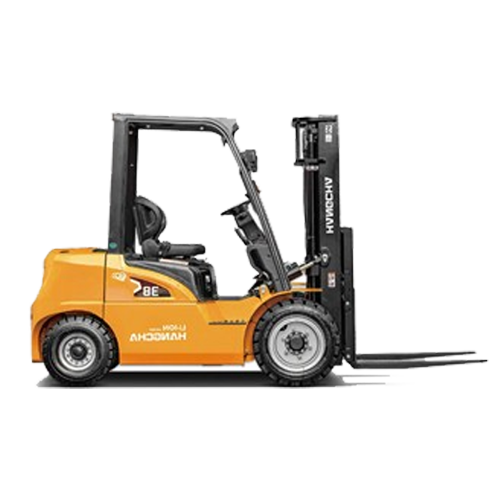
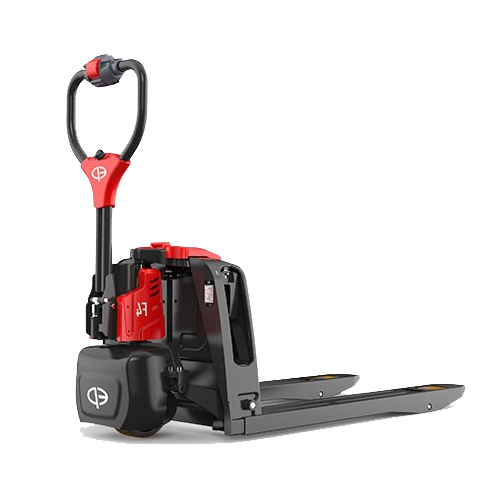
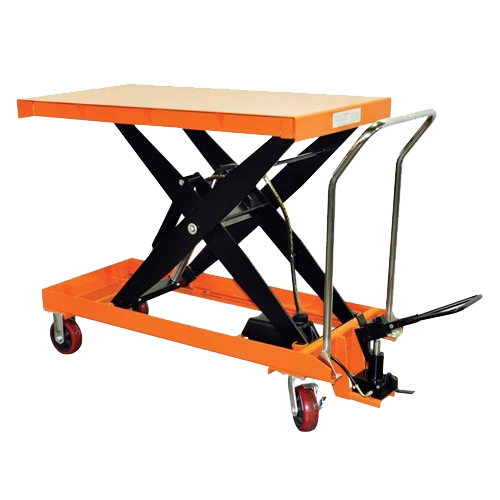
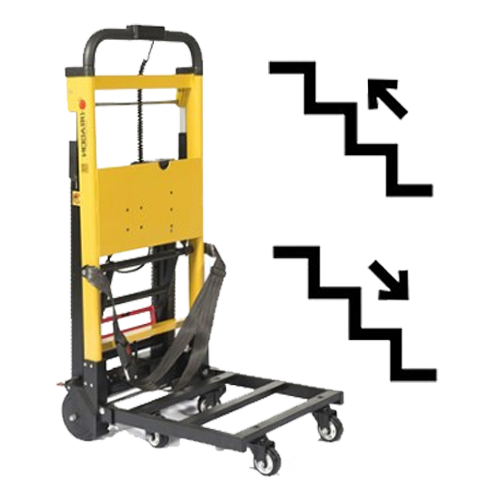
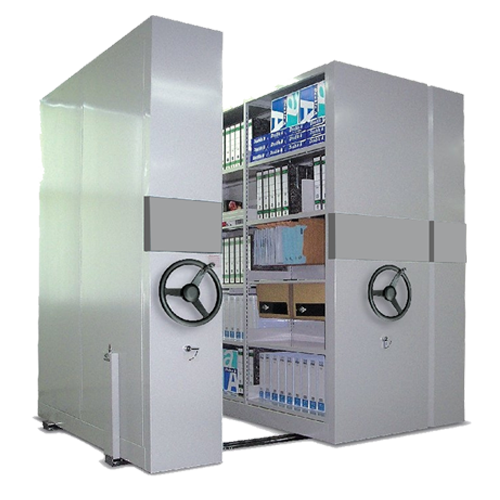
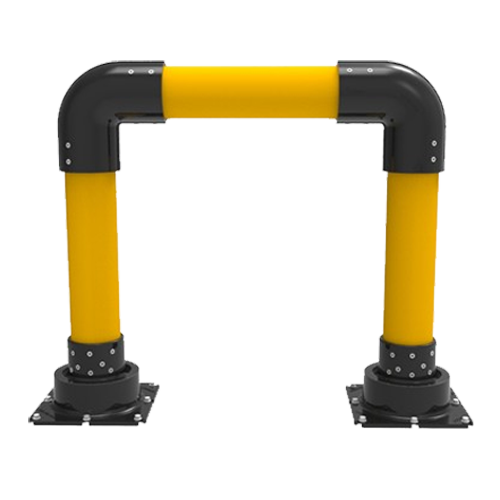

Tysen Technologies supplies stackers, reach trucks and order pickers in Singapore for warehousing, manufacturing, logistics and distribution applications. Our material handling equipment range includes electric stackers, pallet stackers, reach trucks and order pickers designed for different lifting, storage and warehouse handling requirements.
Choosing the right equipment depends on factors such as load capacity, lifting height, pallet type, aisle width, travel distance, operating hours and warehouse layout. Explore the equipment categories below to identify the right solution for your requirements.
… Load more-

1.0 Ton Order Picker EP JX2-4
This order picking truck JX2-4 has a rated 1000kg lifting capacity and 3600mm lift height and is perfect for medium order picking. JX2 is powered by a highly efficient AC motor and can be programmed through the onboard LCD panel.
-

1.0/1.2/1.5 Ton Full Electric Stacker ES-ES
The ES10-10ES & ES12-12ES pallet stacker from EP Equipment covers all your light duty application in the warehouse and production. Available with a lifting height of up to 4000mm with 1200KG capacity, gel battery and an integrated charger this truck offers you the flexibility you expect from your warehouse truck.
-

1.2 Ton Lithium Ion Full Electric Stacker EP ESL122
24V/80Ah Li-ion powered electric stacker , the ESL122 is built with a high strength chassis with a high rigidity mast. Extremely stable, the stacker is also easy to maneuver and is ideal for operating in confined spaces.
-
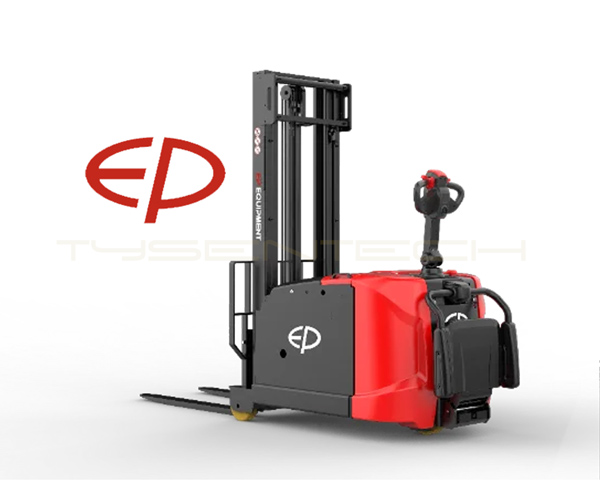
1.2T Full Electric Stacker Counterbalance Stacker RSC122
The EP Equipment RSC122 is a highly versatile, 1.2-ton full electric counterbalance stacker featuring sensitive mast tilting and a compact chassis for narrow aisles. Designed to handle both open and closed pallets without restricting outriggers, it is an ideal, space-saving alternative to traditional forklifts.
-

1.4 Ton Full Electric Stacker (Fork-Over) EP ES14-14WA
ES-WA Series from EP Equipment is the ideal stacker to optimize multiple work tasks, it’s a perfect solution for non-standardized pallets. This model is suitable for lifting and moving in various warehouses and manufacturing facilities.
-

1.4 Ton Rider Full Electric Stacker EP RSB141
Product Overview
The EP RSB141 1.4 Ton Rider Full Electric Stacker is a reliable full electric stacker designed for efficient pallet handling in warehouses, logistics facilities, and manufacturing plants.The RSB141 is an AGM-powered electric stacker driven by a 48V BLDC (brushless direct current) motor. The BLDC drive motor is durable and literally free of maintenance since there are no carbon brushes to replace. Riding on a stand-on pedestal, the RSB141 is comfortable and easy to maneuver.
Built for smooth operation and enhanced productivity, this electric stacker provides excellent manoeuvrability, stable load handling, and dependable performance for daily material handling tasks.
-

1.5 Ton Economical Electric Stacker (Fork-Over) REDDOT ES15-E (3.0m)
The ES15-E Full-Electric Stacker Economical Series offers smaller turning radius and suitable to use in indoor environments such as workshops, factories, warehouses and logistic centres. Fully operated by battery and easy to use and higher in work efficiency.
-
1.5 Ton Economical Electric Stacker (Fork-Over) REDDOT ES15-E (3.0m)
The ES15-E Full-Electric Stacker Economical Series offers smaller turning radius and suitable to use in indoor environments such as workshops, factories, warehouses and logistic centres. Fully operated by battery and easy to use and higher in work efficiency.
-

1.5 Ton Full Electric Stacker (Fork-Over) REDDOT ES15
The ES15 Electric Stacker offers smaller turning radius and suitable to use in indoor environments such as workshops, factories, warehouses and logistic centers. Fully operated by battery and easy to use and higher in work efficiency.
1 Year Product Warranty.
-

-

1.5/2.5 Ton Electric Multi-Directional Forklift – MIMA MQ
Multi-direction reach truck MQ series is used in very narrow aisle for lifting and transporting long material handling. Available lift height is 3-8m and lift capacity 1.5-2.5 Ton. It can travel forward and backward, sideways and makes in-situ rotation . The MQ is the best choice for handling long loads like metal profiles, rebar, wood, steel pipe and others.
-
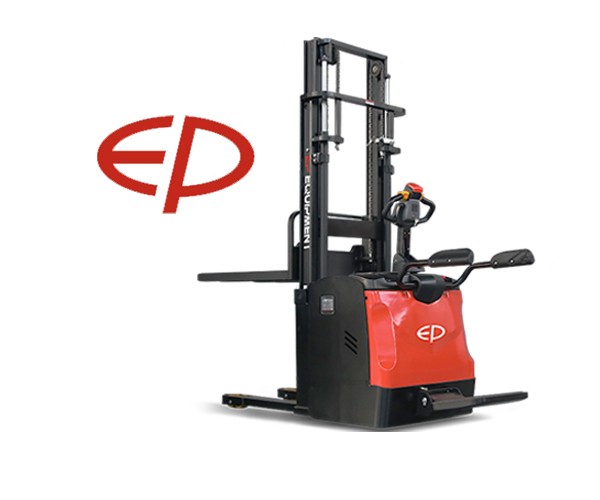
1.6 & 2.0 Ton Full Electric Stacker EP ES16/20-RAS
The ES16 series stacker is suitable for lifting and moving pallets in warehouses and manufacturing facilities with medium height pallet racks. It uses an industry wide ZAPI AC control system with proven stability and reliability. Comes standard with power steering, the ES16 stacker is easy to maneuver in tight and narrow aisles.
Choose Your Warehouse Handling Equipment
Pallet Stackers
Pallet stackers are designed to lift, move and stack palletised loads in warehouses, storage facilities and industrial environments. They are classified according to their power source, operator position and pallet-handling configuration.
Depending on the application, a pallet stacker may be fully manual, semi-electric or fully electric.
Reach Trucks
Reach trucks are designed for pallet handling and storage at greater heights, particularly in warehouses with high-level racking. They are a different equipment category from basic pallet stackers and are intended for applications where greater lifting height and high-density storage are required.
Order Pickers
Order pickers are designed to help operators retrieve individual products, cartons or items from warehouse storage locations. Unlike pallet stackers and reach trucks, which are primarily used for pallet handling and storage, order pickers are intended for order-picking activities.
Pallet Stacker Types by Power Source
Pallet stackers are available with different operating methods.
Semi-Electric Pallet Stacker
A semi-electric pallet stacker uses powered lifting while travelling remains manual. The operator pushes or pulls the equipment to move it, while raising and lowering the load are electrically powered.
Fully Electric Pallet Stacker
A fully electric pallet stacker uses electric power for both lifting and travelling. This reduces the physical effort required from the operator compared with manual and semi-electric configurations.
Explore Electric Pallet Stackers →
Pallet Stacker Types by Operator Position
Operator position is another way to classify pallet stackers. Fully electric pallet stackers may be designed as walkie or rider models.
Walkie Stacker
A walkie stacker is operated by an operator who walks with or behind the equipment while it travels but can be a fully electric stacker. Walkie stackers may be suitable for applications involving regular pallet movement where the operator does not need to ride on the equipment.
Rider Stacker
A rider stacker allows the operator to ride on the equipment while it travels. This can be useful for applications involving more frequent pallet movement or longer travel distances. Rider stackers are designed around the operator's riding position and operating requirements.
Pallet Stacker Types by Pallet Compatibility
The type of pallet used in a facility is an important consideration when selecting a pallet stacker.
Open Pallets
Open pallets have openings or spaces beneath the pallet deck that can provide clearance for the equipment's forks or supporting components. Depending on the pallet and product design, open pallets may be compatible with:
- Fork-over stackers
- Straddle-leg stackers
Fork-over stackers lift the pallet by positioning the forks underneath it, while straddle-leg designs use support legs positioned around the pallet.
Closed Pallets
Closed pallets have a more enclosed underside and do not provide the same clearance as open pallets. Straddle-leg stackers can be used with suitable closed-pallet configurations because their support legs can accommodate the pallet from the outside.
Counterbalance Stackers
Counterbalance stackers use a counterbalance arrangement rather than relying on front stabilising legs extending beneath or around the pallet in the same way as conventional fork-over or straddle-leg designs.
Pallet Stacker vs Reach Truck vs Order Picker
While pallet stackers, reach trucks and order pickers are all material handling equipment, they serve different purposes.
| Equipment Type | Primary Function | Typical Application | Operator Position |
|---|---|---|---|
| Pallet Stacker | Lift, move and stack palletised loads | Pallet handling and storage | Manual, walk-behind or rider depending on model |
| Reach Truck | Lift and place pallets at greater heights | High-level racking and high-density storage | Seated or standing depending on model |
| Order Picker | Retrieve individual goods or cartons | Order-picking and stock retrieval | Operator platform depending on model |
How to Select the Right Material Handling Equipment
Load Capacity
Determine the maximum weight of the loads that need to be lifted and transported. Select equipment with a rated capacity appropriate for the intended application.
Required Lift Height
Consider the highest storage position that the equipment needs to reach. Lower lifting requirements may be suitable for a pallet stacker, while higher-level racking applications may require a reach truck.
Pallet Type
Identify whether your facility uses open or closed pallets. This can affect whether a fork-over, straddle-leg or counterbalance pallet stacker is appropriate.
Aisle Width
Measure the available aisle space and consider the equipment's turning and operating requirements. The actual aisle requirement varies by model.
Travel Distance
Consider how far loads need to travel during normal operations. Shorter travel distances may suit walkie operation, while longer or more frequent travel may make a rider configuration more appropriate, depending on the model.
Operating Hours
Consider how frequently the equipment will be used throughout the working day. Operating hours can influence the appropriate power source and battery requirements.
Battery and Charging Requirements
For electric equipment, consider the battery type, charging requirements and expected operating schedule. These specifications vary between products and should be reviewed before selection.
Floor Conditions
Review the floor surface and operating environment to ensure the selected equipment is suitable for the conditions in which it will operate.
Stackers vs Forklifts vs Reach Trucks
| Equipment | Main Function | Typical Application |
|---|---|---|
| Stackers | Lift, move and stack palletised loads | Warehouses and storage areas |
| Forklifts | Lift and transport a wide range of loads | General material handling and industrial operations |
| Reach Trucks | Handle pallets at greater storage heights | High-density warehouse storage |
The most suitable equipment depends on the load requirements, storage height, aisle dimensions, operating environment and intended application.
Warehouse Applications
Warehousing
Stackers, reach trucks and order pickers can support different warehouse activities, including pallet movement, storage and order picking.
Manufacturing
Material handling equipment can be used to move raw materials, components, finished products and palletised goods within manufacturing facilities.
Logistics
Warehouses and logistics operations can use different equipment types depending on loading, storage, transportation and order-picking requirements.
Distribution Centres
Distribution centres may require multiple types of material handling equipment to support pallet storage, retrieval, movement and order fulfilment.
Cold Storage
Where applicable, selected material handling equipment can be used in cold-storage environments. Equipment suitability should be confirmed against the manufacturer's specifications and the operating conditions of the facility.
Frequently Asked Questions (FAQs)
What is a pallet stacker?
A pallet stacker is material handling equipment designed to lift, move and stack palletised loads. Pallet stackers can be classified by power source, operator position and pallet-handling configuration.
What is the difference between a manual, semi-electric and fully electric pallet stacker?
A fully manual pallet stacker relies on manual operation for lifting and travelling. A semi-electric pallet stacker uses powered lifting but requires manual pushing or pulling for travel. A fully electric pallet stacker uses powered systems for both lifting and travelling.
What type of equipment is suitable for narrow aisles?
Equipment suitability for narrow aisles depends on the aisle dimensions, turning requirements, lift height and specific model specifications. Reach trucks may be suitable for certain high-density warehouse applications, but the actual aisle requirements should be confirmed for the selected model.
What is a fully electric stacker?
A fully electric stacker uses powered systems for both lifting and travelling, depending on the model. It is designed for applications requiring powered pallet handling and lifting.
What is a semi-electric stacker?
A semi-electric stacker combines powered lifting with manual or assisted movement, depending on the specific model. It can be considered for material handling applications where powered lifting is required.
What is an order picker used for?
An order picker is designed to support warehouse picking operations where an operator needs to access and retrieve individual products or items from storage locations.
Do you supply material handling equipment in Singapore?
Yes. Tysen Technologies supplies material handling equipment in Singapore for warehouse, logistics, manufacturing and industrial applications. Contact the team to discuss your equipment requirements.
Material Handling Equipment in Singapore
Tysen Technologies supplies material handling equipment in Singapore for warehouse, logistics, manufacturing and industrial applications.
Our equipment range covers different handling requirements, including pallet movement, stacking, high-level storage and order picking. Product selection should be based on the specific requirements of your facility, including load capacity, lift height, aisle width and operating conditions.
Reach out to us for assistance in identifying suitable material handling equipment for your application.
Request a Product Recommendation or Quotation