

Moving pallets across a warehouse can involve repeated trips between receiving, storage, picking and dispatch areas. When these movements become frequent, a battery-powered pallet jack can provide powered travel for floor-level pallet transport without relying entirely on manual pushing or pulling.
The right choice depends on how the equipment will actually be used. A small storage area with occasional pallet movements may have different requirements from a logistics or distribution facility in Singapore handling pallets throughout a working shift.
An electric pallet truck can be considered when the operation involves regular horizontal pallet movement, particularly where load weight, transfer frequency or travel routes make manual handling less practical. Battery type, capacity, pallet compatibility, manoeuvring space, and charging arrangements should be assessed alongside the daily workflow.
What Is a Battery-Powered Pallet Jack?
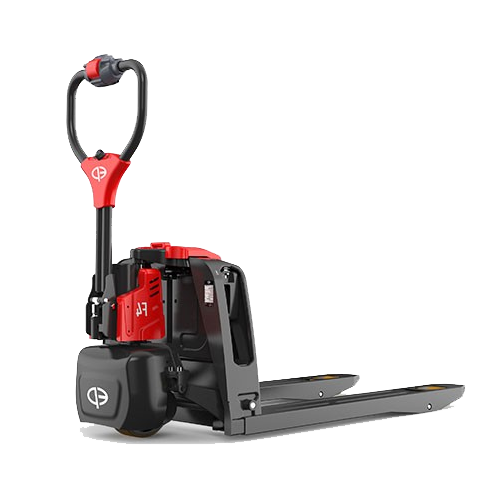
A battery-powered pallet jack is a powered material-handling truck designed primarily to move palletised loads horizontally. It may also be referred to as an electric pallet jack, powered pallet jack or battery-powered pallet truck.
The forks enter underneath a compatible pallet and lift it clear of the floor before powered travel moves the load. Depending on the model, lifting and steering can also be electrically powered.
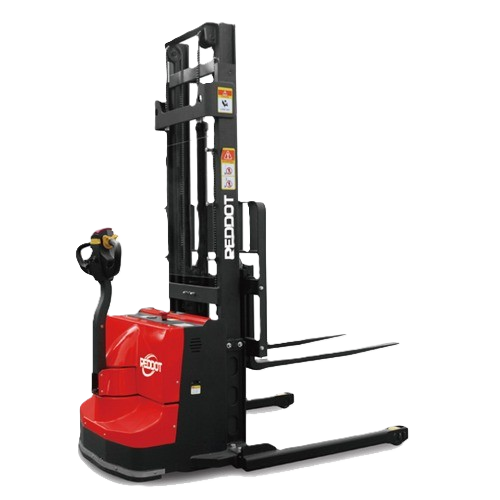
The main function is pallet transport rather than high-level storage. For example, an electric pallet jack can move a pallet from receiving to a staging area, while a stacker or forklift may be required if the pallet needs to be placed into elevated racking.
This distinction is important in warehouse material handling because the equipment should match the actual task rather than being expected to perform functions outside its intended design.
When Is a Battery-Powered Pallet Jack Useful?
A battery-powered pallet jack is worth considering when powered travel addresses a recurring requirement in the warehouse. The deciding factor is not simply whether an electric model is available, but whether the workload justifies powered pallet movement.
This may apply to Singapore warehouses, distribution centres and manufacturing facilities where pallets are regularly transferred between different operating zones. A facility should consider powered pallet handling when:
- Pallets are moved repeatedly throughout the working period
- Travel distances make manual movement increasingly demanding
- Loads regularly require substantial pulling or pushing effort
- Material flow depends on timely pallet transfers
- The operating area is suitable for powered equipment
These conditions provide a stronger reason for choosing battery-powered equipment than simply replacing a manual pallet jack because an electric model is available.
Moving Pallets Over Longer Distances
Travel distance becomes more relevant when the same pallet movement is repeated throughout the working day. Powered travel allows the operator to control the truck and load without continuously providing the force needed to move a manually operated pallet jack.
For a Singapore distribution centre, for example, pallets may move between receiving, staging, storage and dispatch areas as part of the normal flow of goods. The suitability of an electric pallet truck depends on the complete route, including turning areas, intersections, doorways and pedestrian movement.
The type of pallet truck should also reflect the distance and workload. A walk-behind electric pallet truck may be appropriate for one operation, while a rider pallet truck may be considered where the application involves heavier or more intensive transport requirements.
The STAXX RPT25 Rider Electric Pallet Truck, for example, has a 2,500 kg capacity and a stand-on driving configuration. Its compact design, AC drive motor, electric power steering and foldable platform make it a different proposition from a compact walk-behind battery-powered pallet jack. Its potential applications include warehouses, factories and distribution centres.
Handling Frequent Pallet Transfers
A pallet may only travel a relatively short route, but repeating that movement many times during a shift can create a significant material-handling workload. Consider a warehouse where pallets are transferred from receiving to staging, then moved towards storage or dispatch. The individual journeys may be short, but the number of movements can make powered travel useful.
The ET158 Li-ion Pallet Truck 1500kg is one example of a compact electric pallet truck suited to this type of consideration. It has a 1,500 kg nominal capacity, a 48V/10Ah lithium battery and a 48V brushless drive motor. Its turning radius is 1,403 mm, and the manufacturer describes it as suitable for confined areas. These characteristics make it relevant to operations where pallet transport has to be combined with manoeuvrability in tighter warehouse areas.
Battery selection should still reflect actual usage. A truck used intermittently for short transfers has different requirements from one supporting repeated pallet movements throughout a shift.

Matching the Equipment to the Pallet Journey
The complete pallet journey should be reviewed before choosing a battery-powered pallet jack. A pallet may pass through several stages, and different equipment can be required at each stage.
For example, a pallet could be unloaded at receiving, moved to a staging area and then transported towards storage using an electric pallet truck. If it subsequently needs to be raised into racking, a suitable stacker or forklift may perform the lifting operation. This allows the battery-powered pallet jack to be used for the function it is designed to perform.
Separating transport and lifting requirements can also make equipment selection more precise. Instead of choosing one truck for every stage, the facility can identify where powered pallet movement is actually required and where another type of material-handling equipment is more appropriate.
Working in Different Warehouse Areas
A battery-powered pallet jack needs to suit the complete operating route. Warehouse areas in Singapore can vary considerably in available space and traffic levels, from receiving and staging areas to storage aisles and dispatch zones.
Receiving areas may involve frequent unloading and pallet transfers. Storage areas may have tighter routes around racking, while dispatch areas can become busier as completed orders are prepared for collection. Before introducing an electric pallet jack, the facility should check:
- Doorway and access dimensions
- Turning areas
- Aisle width
- Floor condition and transitions
- Staging space
- Pedestrian routes
- Interaction with forklifts and other material-handling equipment
The most restrictive part of the route can determine whether a particular truck is suitable. A model that operates comfortably in an open staging area may not be appropriate if the same pallet has to pass through a narrow access point later in the journey.
Considering Load Capacity and Pallet Size
Load capacity and pallet dimensions should be checked against the specifications of the selected battery-powered pallet truck. The rated capacity needs to accommodate the loads the warehouse actually handles. Pallet dimensions and fork configuration also need to be compatible with the equipment.
For example, the EPT20H is a 2.0-ton lithium full electric pallet truck/jack. The 10Ah version uses a lithium battery and a 48V brushless motor, and a 15Ah version is also available. The 10Ah model provides approximately 3 to 4 hours of operation per full charge, while the 15Ah version, approximately 4 to 5 hours, according to the manufacturer. These figures should be considered alongside the actual workload and operating conditions rather than treated as a universal operating time.
The load should also be stable and positioned appropriately on the forks. Staying within the rated capacity does not remove the need to consider load distribution, pallet condition and the route being travelled.
Battery Capacity and Charging Requirements
Battery capacity should correspond with the amount of work expected between charging opportunities. The appropriate requirement depends on travel distance, frequency of use, load conditions and operating schedule.
A warehouse using a powered pallet jack intermittently may have different charging requirements from a distribution operation using the equipment throughout much of the working day.
Before selecting a truck, facilities should consider when and where charging can occur. The charging arrangement should suit the battery technology and manufacturer’s requirements for the selected equipment.
Operational planning is particularly important where the pallet jack supports a time-sensitive workflow. Equipment that regularly becomes unavailable for charging at critical periods can disrupt material movement.
Rather than treating battery capacity as an isolated specification, businesses should compare expected usage with their operating schedule and available charging opportunities.
Manoeuvrability and Available Space
Manoeuvrability determines whether a battery-powered pallet jack can turn, position and travel effectively within the available warehouse space. This should be evaluated with a pallet on the forks, not only from the dimensions of the truck itself.
Aisle width is one consideration, but the complete movement path is more important. Corners, doorway approaches and staging locations can require more space than straight travel.
A site assessment should therefore examine:
Operating Area | What to Review |
Aisles | Available width with normal warehouse activity |
Corners | Space needed for the truck and pallet to turn |
Doorways | Clear opening dimensions and approach |
Staging areas | Space for positioning and transferring pallets |
Shared routes | Interaction with pedestrians and other equipment |
A compact powered pallet jack can be useful in restricted spaces, but equipment dimensions should always be considered together with the load.
Operator Controls and Safety Considerations
Powered travel changes how a pallet truck is controlled compared with a manual pallet jack. Operators should understand the controls, braking and steering characteristics of the selected equipment before using it in operational areas.
The route should also account for pedestrians, forklifts, racking and other warehouse traffic. Visibility can become more difficult when transporting large or tall loads, so the operating procedure should take the load and travel direction into account.
Warehouse traffic arrangements are particularly important where electric pallet trucks share routes with pedestrians or other powered equipment. Clear operating areas, appropriate procedures and operator training remain important regardless of the equipment’s built-in features.
When a Manual Pallet Jack May Still Be Suitable

A manual pallet jack can remain appropriate where pallet movement is occasional, distances are short and loads can be handled within the facility’s operating requirements. Powered equipment is not automatically necessary for every pallet-handling task.
For example, a small stock area may require only occasional repositioning of pallets over a few metres. Introducing battery-powered equipment may provide limited operational benefit in such a situation.
Manual equipment also does not require battery charging, which can simplify occasional handling applications. The decision should therefore consider the amount of work being performed. If pallet movement is limited and does not create significant operational demands, a manual pallet jack may continue to serve the intended purpose.
When Other Powered Equipment May Be More Appropriate
A battery-powered pallet jack is primarily intended for pallet transport and low-level lifting. It may not be suitable where the main requirement is stacking or placing pallets at elevated storage positions.
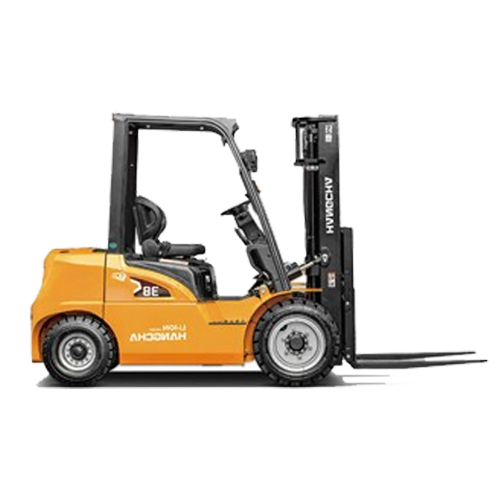
An electric stacker can combine powered travel with vertical lifting for applications that require pallets to be raised to storage levels. A forklift may be more appropriate where the operation requires different lifting heights, capacities or handling configurations.
The key distinction is the task being performed.
Primary Requirement | Equipment Type to Consider |
Short, occasional floor-level pallet movement | Manual pallet jack |
Frequent horizontal pallet movement | Battery-powered pallet jack |
Horizontal movement plus pallet stacking | Electric stacker |
Broader lifting and material-handling requirements | Forklift |
This task-based approach can prevent equipment from being selected for work it was not primarily designed to perform.
Choosing the Right Pallet Handling Equipment
Choosing the right pallet handling equipment starts with understanding how pallets move through the facility. For a Singapore warehouse, logistics operation or manufacturing facility, the review can begin by mapping the normal pallet journey from receiving through staging, storage, picking and dispatch.
This shows where pallets travel, how often they move and where manual handling creates the greatest workload. A selection review should answer four key questions:
- How often are pallets moved?
- How far does each pallet normally travel?
- Does the task require horizontal transport only or elevated lifting?
- Can the operating environment accommodate powered pallet equipment?
If frequent horizontal transport is the primary requirement, a powered pallet jack can be a practical equipment category to evaluate.
Frequently Asked Questions
When should a warehouse use a battery-powered pallet jack?
A battery-powered pallet jack is particularly useful when pallets are moved frequently or over longer internal distances. The decision should also consider load requirements, operating space and available charging arrangements.
Is a battery-powered pallet jack the same as an electric pallet truck?
The terms are commonly used for similar powered pallet-handling equipment designed primarily for horizontal transport. Specific configurations and features can differ between models.
Is a powered pallet jack suitable for short warehouse routes?
It can be, particularly when pallet transfers are very frequent or loads require substantial manual effort. For occasional movements over very short distances, a manual pallet jack may still be sufficient.
How does battery capacity affect equipment selection?
Battery capacity influences how long the equipment can support the expected workload between charging opportunities. Usage frequency, travel distance and the facility’s operating schedule should therefore be considered together.
Can a battery-powered pallet jack replace a forklift?
Not for all applications. A powered pallet jack is mainly intended for horizontal pallet movement, while forklifts are designed for broader lifting and material-handling requirements, including elevated storage applications.
Deciding When Powered Pallet Movement Adds Value
A battery-powered pallet jack becomes most useful when the warehouse has a clear need for repeated horizontal pallet transport. Longer travel routes, frequent transfers and demanding manual movement can all indicate that powered equipment should be considered.
The decision should still be based on the complete operation. Pallet dimensions, load capacity, available space, battery requirements and the need for vertical lifting can determine whether a powered pallet jack or another equipment category is the better operational fit.
Assessing these conditions before selecting equipment helps ensure that electrification addresses an actual material-handling requirement rather than simply replacing manual equipment without considering the workflow.
Send Your Pallet-Handling Requirements for an Equipment Enquiry
Choosing a battery-powered pallet truck is easier when the operating requirements are clear. Information such as typical pallet weight, pallet dimensions, transfer frequency, approximate travel routes, available space and required operating hours can help identify suitable equipment configurations.
For a battery-powered pallet jack or electric pallet truck enquiry, contact Tysen Technologies with your pallet-handling requirements and operating conditions. We supply electric pallet trucks and other material-handling equipment for warehouse, logistics and industrial applications in Singapore.


