
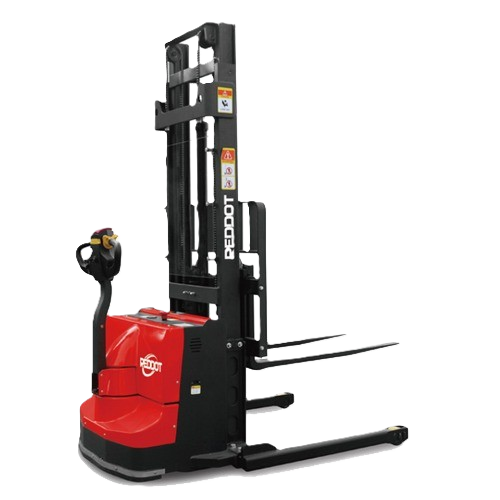
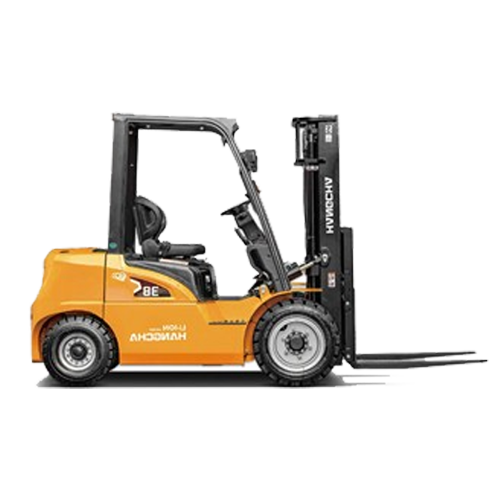
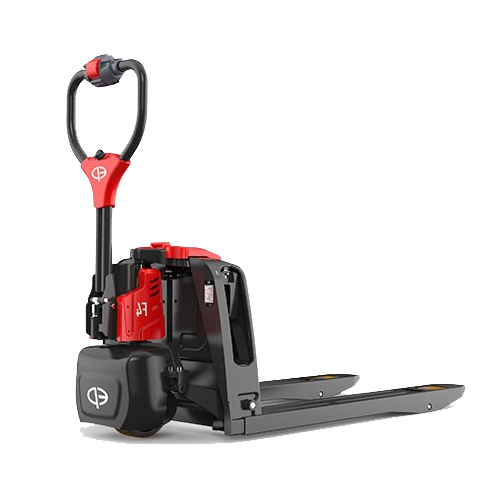
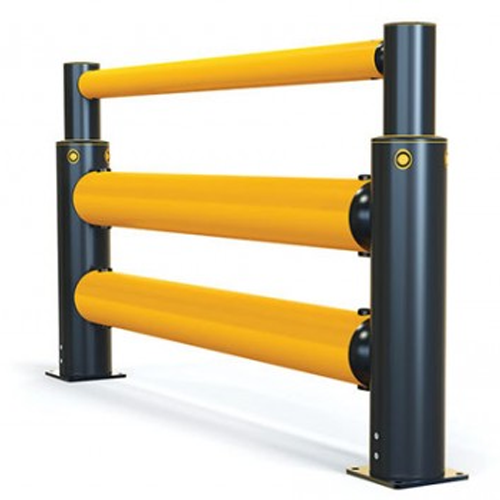

Column guards and other warehouse impact protection systems help reduce direct forklift contact with structural columns, corners, walls and doorways. These areas are particularly vulnerable because they are fixed parts of the building while forklifts and other material-handling vehicles repeatedly move around them.
Warehouse structures can be exposed at aisle intersections, loading areas, entrances, turning points and narrow vehicle routes. A single protection method is not necessarily suitable for every location because the direction and type of possible impact can differ.
For warehouses in Singapore, effective forklift impact protection should start by assessing forklift routes and exposed structures to determine where forklift impact protection is needed.
Why Warehouse Columns and Corners Are Vulnerable to Forklift Damage
Columns and corners are often positioned close to storage areas, forklift aisles, loading zones and access points. Their fixed position means even small changes in vehicle movement or storage arrangements can alter the level of exposure. Typical contact points include:
- Columns beside forklift aisles or intersections
- Corners at the entrance to storage or production areas
- Door frames used by pallet trucks and forklifts
- Wall edges beside narrow operating areas
- Structural elements close to turning or reversing movements
Loads can also change the clearance available to a vehicle. A forklift may have enough space to pass while the pallet or load being carried comes close to a column, corner or door frame. Repeated marks, scrapes or dents on these areas can therefore provide useful evidence when identifying where warehouse impact protection is required.
What Are Column Guards?
A column guard protects exposed structural columns from contact with material-handling equipment. It provides a protective layer around the column rather than leaving the building structure directly exposed to vehicle impact.
For example, the A-SAFE FlexiShield Column Guard is designed specifically for standard square and rectangular columns. Its modular sections interlock around the column and can be stacked to achieve the required protection height. The design also incorporates structural support ribs for strength and fork deflection, while formed air channels help dissipate impact forces.
This makes it a relevant form of warehouse column protection for facilities where forklifts or pallet-handling equipment operate close to structural supports. Its compact configuration is also intended to minimise the footprint around the column. This is an important factor to consider especially in Singapore where operating space can be limited.
Choosing Column Protection for Different Warehouse Layouts
Not every exposed column presents the same risk. A column positioned beside a straight forklift aisle may experience a different type of contact from one located at the intersection of two routes. When assessing column protection, consider:
- Column shape: Check whether the column is square or rectangular and determine its dimensions.
- Protection height: Consider where forks, pallets or vehicle components are likely to make contact.
- Vehicle movement: Review whether equipment approaches from one direction or multiple directions.
- Available clearance: Ensure the protection does not unnecessarily reduce the usable operating area.
- Existing impact marks: Repeated damage can indicate the areas receiving the most contact.
Corner Guards and Doorway Protection
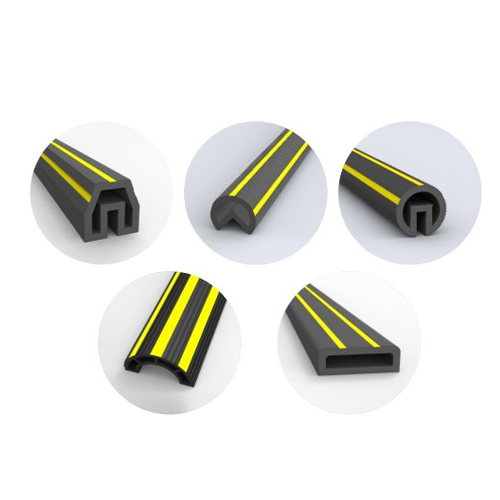
Corners and door frames require a different approach from structural columns because the exposed area is usually limited to an edge rather than an entire vertical support. Corner guards can protect wall edges, doorway surrounds and other projecting sections that are vulnerable to contact from pallet-handling equipment.
The A-SAFE FlexiShield Corner Guard is specifically designed for wall edges and door frames and is intended to protect against everyday bumps and scrapes from pallet trucks. Its narrow profile helps limit intrusion into the working area, while multiple sections can be stacked to increase the protected height.
This makes the product useful for doorway protection in warehouse and industrial settings where pallet trucks regularly pass through fixed openings. It can also be used around exposed wall edges where equipment repeatedly passes close to the structure.
Wall Protection Along Internal Vehicle Routes
Walls beside forklift and pallet-truck operating areas can be exposed to repeated side contact, particularly where there is limited clearance between the vehicle and building structure.
The type of wall protection required depends on how much of the wall is exposed. A localised corner guard may be sufficient where contact is concentrated around an edge, while a longer protective barrier can be considered where vehicles operate alongside an extended wall section.
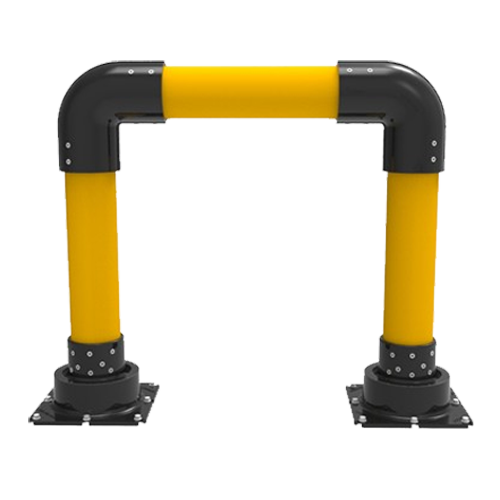
The iFlex Single Traffic Barrier is designed to shield buildings, machinery and equipment from vehicle collisions while defining vehicle routes. Tysen lists a nominal impact energy absorption capacity of up to 30,200 joules for this model.
In a warehouse or distribution facility, this type of protection can be considered where the exposed area extends beyond a single corner and a physical barrier is needed between vehicle movement and the protected asset.
Where Warehouse Impact Protection May Be Needed
The need for forklift impact protection is not limited to one type of facility. They have numerous applications including manufacturing plants, logistics facilities, and distribution centres. Within these facilities, the areas requiring closer assessment can include:
- Structural columns beside forklift aisles
- Columns located near storage or production areas
- Wall corners around warehouse access points
- Door frames used by pallet trucks
- Walls alongside internal material-handling routes
- Structural features close to loading and staging areas
The exact protection should depend on the equipment operating in the area, the dimensions of typical loads and the direction of potential contact.
Column Protection at Warehouse Intersections

Columns near intersections can be exposed to vehicles approaching from multiple directions. Turning and crossing movements can increase the chance of contact.
Protection should therefore consider the complete traffic pattern rather than just one approach. Visibility should also be reviewed, particularly where columns or stored goods affect sightlines.
A column guard can provide physical protection, while traffic routes, floor markings and suitable clearance can help reduce the likelihood of impact.
Matching the Protection to the Structure
Corners, walls and doorways require protection that reflects their shape and the way vehicles approach them. A practical warehouse impact protection strategy should start with the structure being protected rather than the product itself:
Area | Typical Exposure | Protection Approach |
Structural column | Direct or angled vehicle contact | Column guards, bollards or perimeter protection |
Wall corner | Turning and glancing impacts | Corner guards or localised protection |
Wall beside vehicle route | Side contact or scraping | Wall protection or flexible barriers |
Doorway edge | Vehicle or load contact while passing through | Doorway or corner protection |
Entrance approach | Misalignment before entering opening | Bollards or traffic guidance protection |
The protection should address both the likely contact point and the direction from which the vehicle approaches.
When Flexible Bollards or Barriers May Be More Appropriate
Flexible bollards or barriers may be more appropriate than a guard attached closely to the structure when protection needs to create physical separation before the vehicle reaches the asset. This approach can establish a buffer around particularly exposed areas.
For example, a column positioned at the edge of a major vehicle route may benefit from protection that keeps traffic at a defined distance. Bollards can create localised stand-off points, while a barrier can protect a wider boundary.
Continuous barriers may also be suitable along walls or around areas where several structures require protection together. The decision should consider available space while balancing the required impact protection with the clearance needed for vehicle and material movement.
Reviewing Repeated Forklift Contact

Repeated contact in the same location may indicate a clearance or traffic-management issue. Installing additional protection can reduce structural exposure, but the cause of the contact should also be reviewed. Consider:
- Is there sufficient turning clearance?
- Is the vehicle route clearly defined?
- Are loads affecting visibility?
- Are pallets or materials obstructing the route?
- Is the existing protection positioned correctly?
This helps ensure forklift impact protection forms part of a wider warehouse safety approach.
Frequently Asked Questions
What are column guards used for in warehouses?
Column guards protect exposed structural columns from direct contact with forklifts and other industrial vehicles. They create a protective layer between the moving vehicle and the building structure.
Can column guards prevent all forklift damage?
Column guards can reduce direct impact exposure when appropriately selected, but no protection system makes a structure immune to every collision. Vehicle conditions and the severity of the impact remain important.
What is the difference between column guards and corner guards?
Column guards are designed to protect structural columns, while corner guards focus on exposed edges such as wall corners and doorway surrounds. The correct protection depends on the shape and location of the vulnerable structure.
How can warehouse doorways be protected from forklift damage?
Doorway edges can be protected with localised guards, while flexible bollards may help guide vehicles on the approach. The protection should account for the dimensions of the forklift and its typical loads.
Should damaged warehouse structures still be inspected if guards are installed?
Yes. Significant vehicle impacts should trigger an appropriate inspection of both the protective system and the underlying structure. Guards reduce exposure but do not eliminate the need to assess possible damage.
Protecting Structures Where Forklift Exposure Is Highest
Warehouse columns, corners, walls and doorways face different types of vehicle contact. Effective warehouse impact protection should therefore reflect the structure, traffic pattern and likely direction of impact.
Column guards can protect structural supports, while corner guards, wall protection, bollards and barriers can address other exposed areas. For warehouses in Singapore, reviewing forklift routes, turning areas and available clearance can help identify where physical protection is required.
Review Vulnerable Structures Along Forklift Routes
Marks on columns, damaged wall edges and repeated contact around doorways can indicate where existing warehouse layouts are exposing building infrastructure to material-handling equipment.
Tysen Technologies provides warehouse impact protection solutions for areas exposed to industrial vehicle traffic. For facility teams assessing vulnerable columns, walls, corners or entrances, contact Tysen Technologies to review the type of protection best suited to each location.


